Tau buildup tied to ‘lonely waves’ in deep sleep and weaker memory
Researchers at the University of California, Berkeley, have found a link between disrupted brain waves during deep sleep, declining memory performance and the buildup of tau, a protein associated with Alzheimer’s disease. The study, led by neuroscientist Omer Sharon under former Berkeley sleep researcher Matthew Walker, was published in Nature Neuroscience.
The findings suggest that tau accumulation in the brain’s frontal cortex is connected to changes in the coordinated electrical activity that helps preserve memories overnight. “This is the first time we’ve shown this relationship between tau and how it messes with memory consolidation by attenuating traveling slow waves that originate in the frontal cortex,” said Sharon, a postdoctoral researcher at UC Berkeley’s Center for Human Sleep Science.
Slow waves and deep sleep
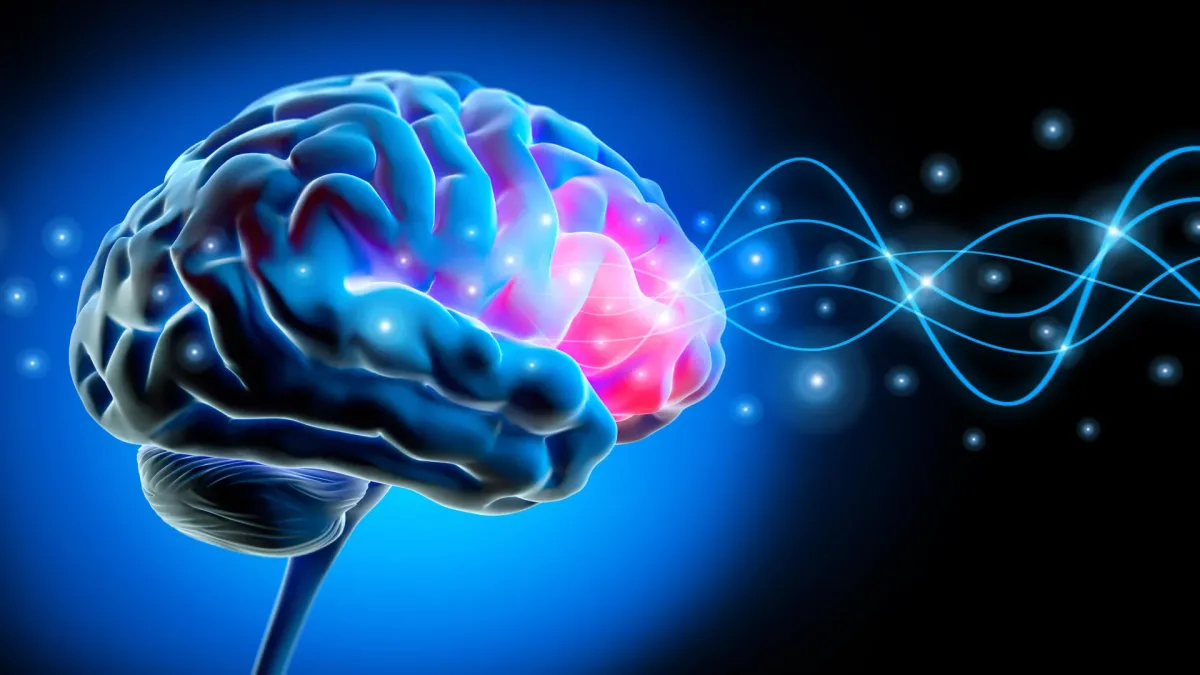
During non-REM deep sleep, large groups of neurons briefly go quiet and then active again in sequence, producing slow electrical waves that typically begin in the frontal cortex and spread across the brain. “Each slow wave reflects an enormous population of neurons switching off and back on together,” Sharon said. “Our study shows that for memory, it’s critical that these events cascade in sequence across large parts of the brain.”
The researchers found that this activity becomes less coordinated as tau builds up. Instead of traveling together across broad regions, the waves scatter and cover shorter distances — a pattern the team called “lonely waves.”
Young and older brains compared
Using electroencephalograms to monitor sleeping brain activity, the scientists compared cognitively healthy adults in their early 20s with older participants in their mid-60s to mid-70s. In younger participants, slow waves moved together across distances roughly the width of a hand on the scalp. In older adults, the waves traveled less far and appeared more independent.
With Dr. William Jagust, a UC Berkeley professor emeritus of public health and neuroscience, the team used positron emission tomography scans to examine older participants’ brains. Greater tau buildup in the frontal cortex was associated with a breakdown in the longer traveling waves. The changes appeared in people who had not developed Alzheimer’s disease.
“These people did not have Alzheimer’s,” Sharon said. “They had tau in their brains, but with subclinical impacts. Their memory decline was within the normal range for their age.”
Word pairs and recall
Participants learned pairs of associated words in the evening and were asked to recall them the next day. Those whose slow waves traveled shorter distances and appeared more isolated generally remembered fewer word associations. A subset of participants was tracked over several years; among those whose frontal cortex tau levels rose, the slow waves became less coordinated and their ability to retain newly learned information overnight declined.
The researchers said the observations show a relationship between tau accumulation, changes in deep sleep brain activity and worsening episodic memory, but do not establish that tau buildup directly causes memory loss or that disrupted waves are the mechanism responsible.
Spinal fluid test
Because PET scans are costly and require specialized facilities, the team worked with neurologist Yo-El Ju at Washington University in St. Louis to analyze spinal fluid from a separate group of older adults. Unlike PET scans, the fluid measurements could not identify tau specifically in the frontal cortex, but the results pointed the same way: people whose sleeping brains produced more isolated slow waves had higher ratios of tau to amyloid, another protein associated with Alzheimer’s, in their spinal fluid.
“It’s collected in a totally different place and in a different cohort, so I think that adds to the strength of the evidence,” Sharon said.
“This longitudinal correlation suggests that Alzheimer’s disease pathology is associated with a disruption of this main sleep feature,” he said.
The research indicates that memory decline may involve more than aging alone. Changes tied to Alzheimer’s disease, particularly tau accumulation in regions that generate widespread slow waves, may help explain why some people have more trouble retaining memories. “It’s not just about age,” Sharon said.