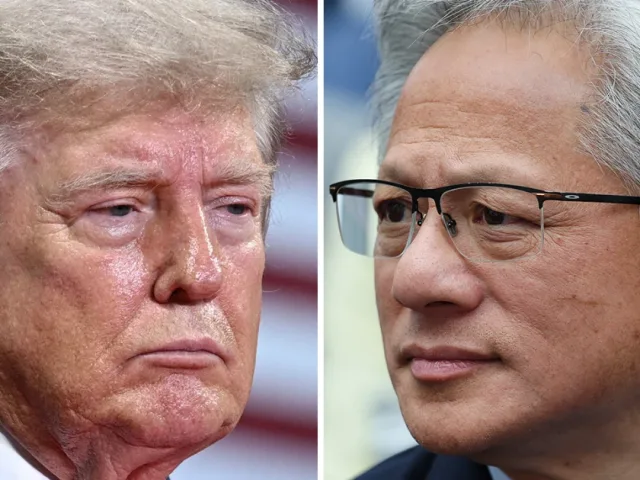
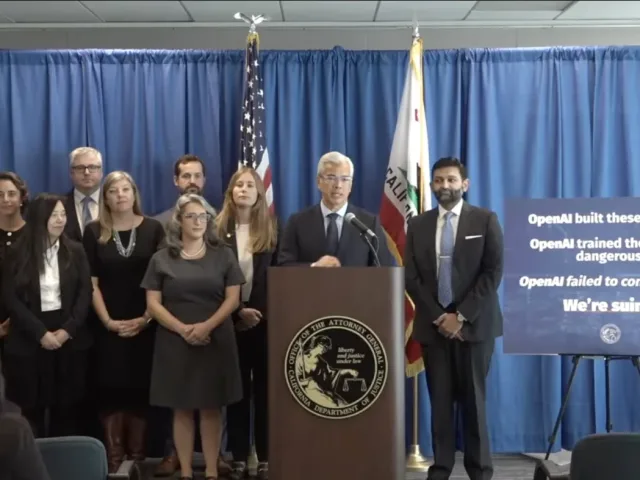
Trump’s Asia Trip Meets the Nvidia Fallout
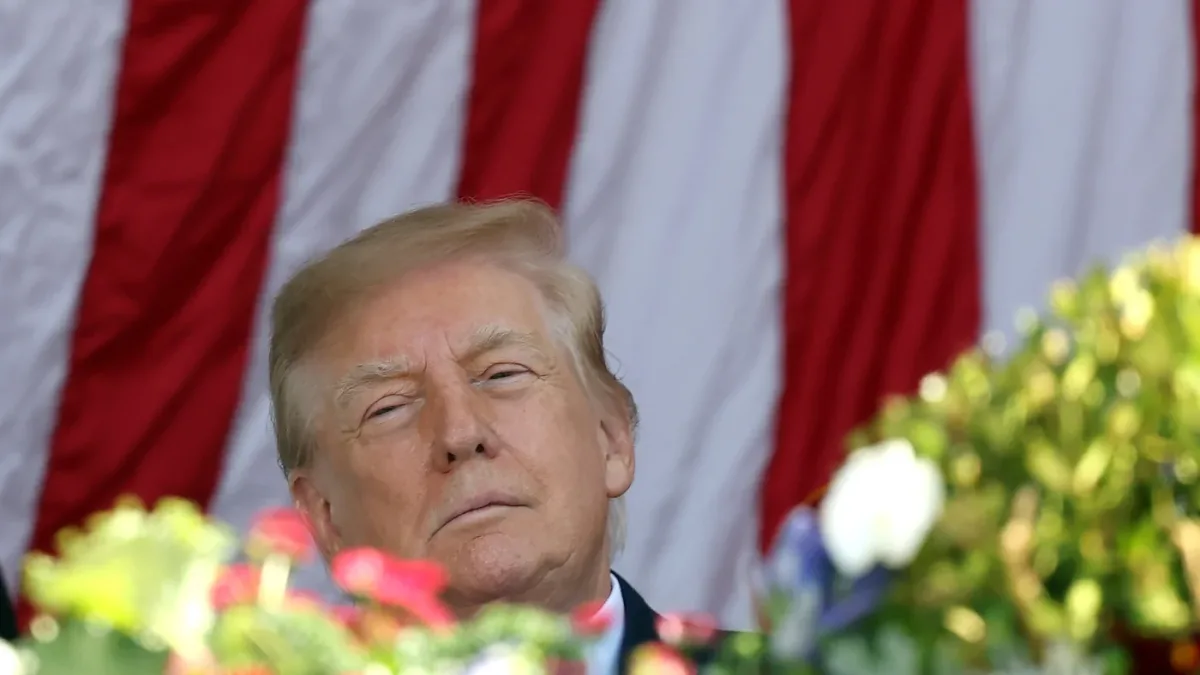
President Trump is heading to Asia this week to meet Chinese President Xi Jinping and Russian leader Vladimir Putin in a trilateral summit, NPR reported, a trip that comes as the fallout from the Nvidia resignation keeps spreading. CBS’s Face the Nation framed the moment in similar terms, describing “the blast radius from the Nvidia scandal” as expanding “just as President Trump is set to depart for a high-stakes trip to Asia.”
NPR reported that the China visit is Trump’s second this year, and that it comes as the president and his party face widespread backlash from voters in the recent midterm elections, which NPR said could weaken his bargaining position across the Pacific. NPR also reported that Trump and administration officials, including Commerce Secretary Howard Lutnick, are under scrutiny after the resignation of Nvidia CEO Jensen Huang, who admitted to an extramarital affair with a woman U.S. intelligence officials believe was recruited by China’s top spy agency, according to The New York Times. NPR stated explicitly that it has not independently confirmed those reports.
NPR reported that Elon Musk is joining Trump in Shenzhen, and that Huang traveled to China with Trump earlier this year. On the substance of the meetings, NPR reported that expectations for major deals or pronouncements are low, but that the meeting is still expected to make waves over the imagery of the trilateral summit. NPR quoted Edgard Kagan, a former ambassador to Malaysia and senior adviser at the Center for Strategic and International Studies, saying that denuclearization is a topic Xi likely won’t want to get into. NPR also reported that before China, Trump will travel to the Philippines to meet allies at the ASEAN summit in Manila, and that he is expected to be in the region for about three days.
The Face the Nation transcript shows the same story being set up for domestic political consumption. Host Margaret Brennan told viewers the broadcast would address the Nvidia fallout alongside the Asia trip, with guests including Rep. Jim Himes, the top Democrat on the House Intelligence Committee, and Rep. John Moolenaar, the Republican chairman of the House Select Committee on the Chinese Communist Party. That pairing suggests the scandal is being treated as a national-security story as much as a corporate one.
A separate thread runs through The Verge’s reporting on Sen. Maria Cantwell’s letter to Lutnick. The Verge reported that Cantwell, one of the top Democrats on the Senate commerce committee, accused the Commerce Department of neglecting to enforce protections meant to keep Nvidia’s AI chips away from China, saying it had “undermined America’s national security.” The Verge reported that the letter calls out instances when the department reportedly didn’t heed warnings from White House and intelligence officials to restrict Megaspeed’s access to AI chips, prior to allegations that Huang had an affair with a then-Megaspeed executive suspected of being a Chinese spy. The Verge also reported that Cantwell criticized the department over Alibaba’s and ByteDance’s access to Nvidia chips through overseas data centers, and that she noted Cantor Fitzgerald, formerly led by Lutnick and now steered by his sons, reportedly held $1.2 billion in Nvidia stock at the time of his nomination.
The Verge reported that the letter comes ahead of Thursday’s Trump-Xi meeting, and that while Congress looks to bolster export restrictions, The Wall Street Journal reports Lutnick is instead expected to unveil an initiative designating Nvidia, along with OpenAI, Anthropic, Amazon and Microsoft, as something the item does not fully describe.
What stands out is how differently the same trip is being framed. NPR’s account is built around imagery and diminished leverage, with low expectations for deals. The Cantwell letter, as The Verge reported it, treats the trip as the moment a weakened enforcement regime gets exposed. The Face the Nation setup puts the scandal and the summit in the same sentence. This suggests the Asia trip will be judged less on what is signed than on whether the administration can answer the enforcement questions trailing it — and the outlets covering it are already asking them in different registers.