COP31 Collapses as Fossil Fuel Wording Sinks Final Draft
Talks at the U.N. climate summit in Antalya, Turkey, ended Sunday without an agreement, after a final draft that omitted any mention of fossil fuels was rejected by the European Union and a coalition of other nations. The collapse followed two weeks of negotiations among delegations from nearly 200 countries and ran past the conference’s scheduled close.
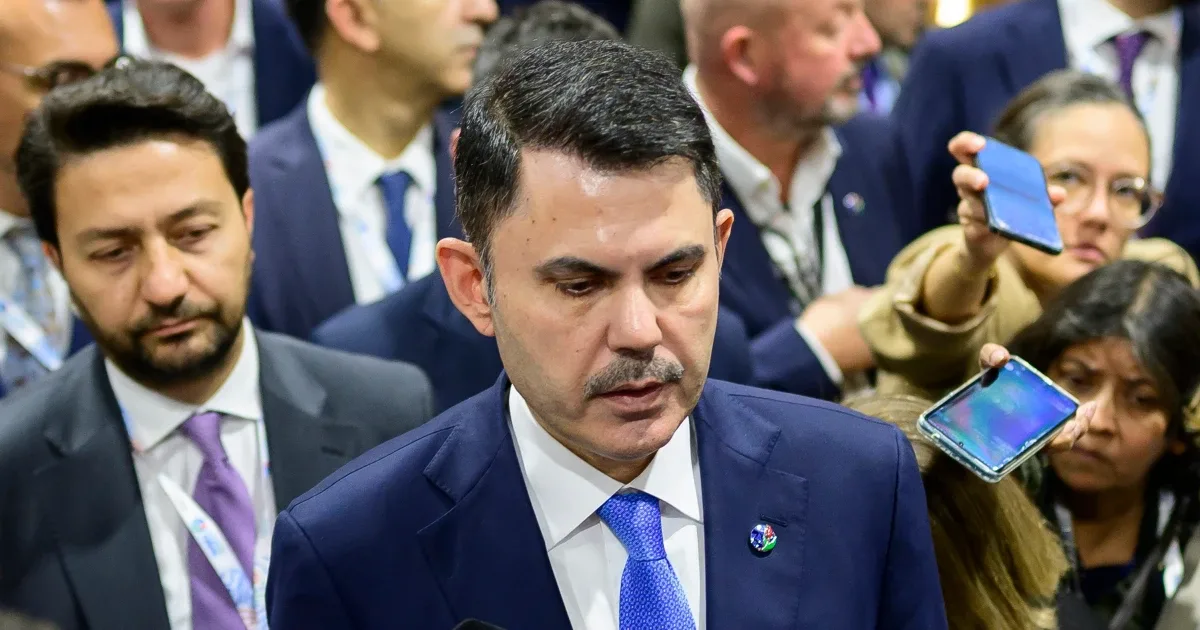
The two accounts of the ending agree on the essentials and differ mainly in emphasis. NBC News reported that COP31 President Murat Kurum, Turkey’s environment minister, said there would be no new draft after a fourth was rejected, telling delegates: “There is nothing to do, we did all that we could.” NBC placed Kurum’s remarks two days after the conference was meant to end. CBS News described Friday as the scheduled final day, with talks reaching an impasse on Sunday. On the substance the outlets converge: the 12-page draft drew immediate criticism for failing to mention a move away from fossil fuels, a demand NBC reported was central for the EU and others.
The EU’s objection was blunt. Irish minister Darragh O’Brien, representing the bloc in Antalya, said the EU “strongly objects” to the deal and called it “greenwashing,” adding that “it is unconscionable that we would have a climate pact that makes no mention of fossil fuels.” NBC reported that Panama and the Marshall Islands also rejected the text. CBS reported that on Friday a coalition led by France and Panama, including countries from Europe, Africa, Latin America and the Pacific, rejected the latest draft as too weak and demanded explicit language on fossil fuels and stronger climate finance commitments. Panama’s environment minister, Juan Carlos Navarro, said at a news conference that “we cannot continue to be held hostage by petroleum producers,” and CBS reported he vowed Panama would formally object to any deal omitting issues related to fossil fuels.
Chris Bowen, the COP31 president of negotiations, described “unbridgeable red lines” and said the geopolitical environment coming into the summit was “the most complicated and fraught in living memory.” He added that wording that had been manageable at previous COPs “became a red line this time.”
One structural fact hangs over the outcome. CBS reported that the United States sent no representatives for the second year in a row, following the Trump administration’s withdrawal from the 2015 Paris Agreement. That accord set a goal of limiting warming to 1.5 degrees Celsius above pre-industrial levels, a target CBS reported has anchored every U.N. climate summit since and that the world is now poised to overshoot.
Why it matters: the dispute was not about whether to act but about whether to name the cause. A pact that cannot say “fossil fuels” is, for the EU and the smaller nations that joined it, not a compromise but an omission — and the parties said so on the record. The pattern here is that the consensus rule which gives every delegation a veto now runs directly into the one sentence a large bloc will not sign without. The U.S. absence, reported by CBS, removes the party that historically brokered such language, leaving the EU and climate-vulnerable states to hold a red line against producers with no mediator in the room. An agreement that fails on a single phrase leaves the underlying commitments — and the 1.5-degree target CBS describes as already slipping — exactly where they were before the delegates arrived.