US pizzerias close more than 9,600 since 2019 peak
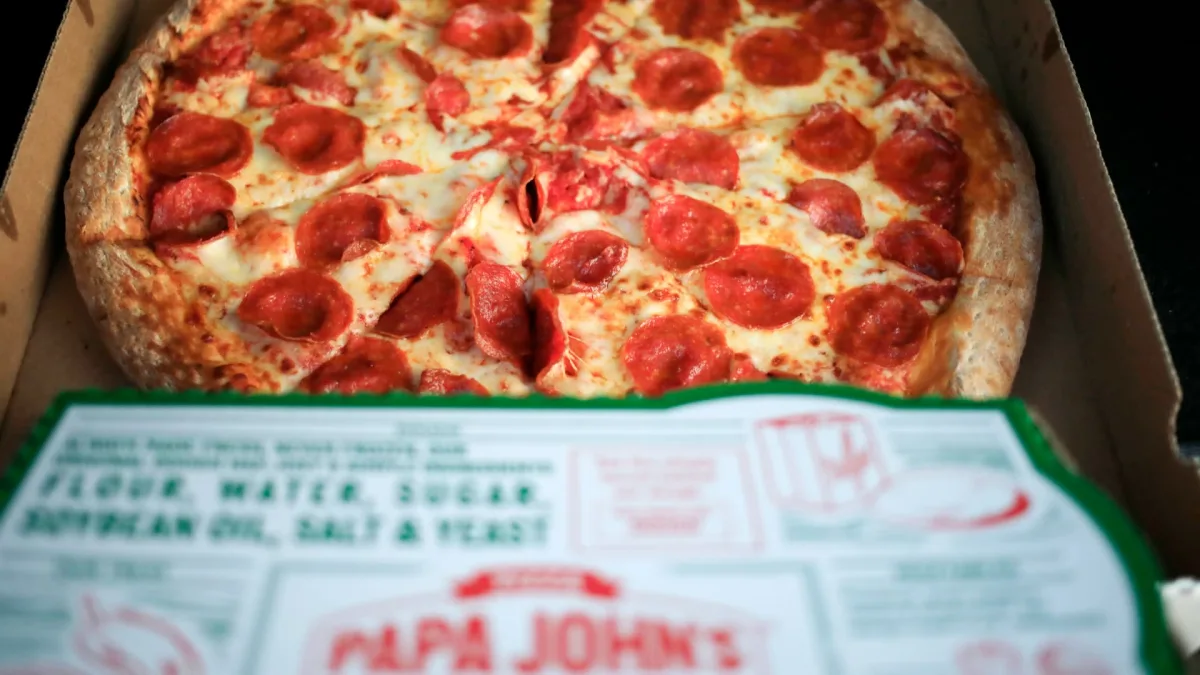
More than 9,600 US pizzerias had closed as of July 2026, down from a peak of 83,035 locations nationwide in August 2019, according to data from Datassential. The big chains are struggling with weaker consumer spending, more dining options and the rise of GLP-1 medications, CNBC reports.
The pandemic was a boom time for Domino’s Pizza, Papa Johns, Little Caesars and Pizza Hut. Since dining rooms reopened, the biggest US pizza chains have faced an uphill battle to keep customers. Consumers are watching discretionary spending and have more delivery and takeout options through third-party platforms, while food quality and the customer experience matter more to diners seeking value.
In 2025, sales at US pizza restaurants fell 0.3%, according to Technomic data. Sales at independent pizzerias slipped 0.4%. Chains, which account for about two-thirds of domestic pizza category sales, saw revenue shrink 0.3%. Papa Johns reported North American same-store sales declined 2.5% in 2025, and Pizza Hut’s US same-store sales fell 5%. Among the three chains publicly traded last year, only Domino’s posted annual same-store sales growth at its US restaurants, with an increase of 3%.
Investors have also cooled on the sector. Since March 2020, Papa Johns stock has lost about two-thirds of its value. Domino’s shares have gained only about 2% in that time, against a climb of about 150% for the S&P 500 over the same period.
Yum Brands sold Pizza Hut this year, offloading the laggard of its portfolio to LongRange Capital and Yum China after about two decades of stagnating sales. “Pizza Hut has been a detractor for YUM … Going forward, YUM won’t be tripped up by pizza category dynamics (discounting, etc.), translating to stronger growth and higher concentration in higher growth industry segments and markets,” Wells Fargo analyst Zachary Fadem wrote in a research note in September.
Pizza’s challenges
Pizza chains now face significantly more competition for diners’ dollars than in 2020. Third-party delivery platforms offer a wide variety of cuisines beyond the traditional pizza and Chinese, so Domino’s and Papa John’s compete with chains like McDonald’s and Chick-fil-A for DoorDash and Uber Eats orders.
As pizza has grown more expensive, a pie seems less appealing to budget-conscious diners. The average large cheese pizza is now almost $17, according to the 2026 Pizza Power Report from PMQ Pizza, a trade publication. Frozen pizza is another convenient, lower-priced option: retail sales of single- and multi-serve frozen pizza rose 2.9% in the 52 weeks ended Nov. 7 compared with the same period in 2022, according to NielsenIQ data.
“When the American consumer is focused on the least expensive eating occasion, the items that are in my pantry, my refrigerator and my freezer win every single time,” said David Portalatin, a food and food service industry advisor for Circana.
Convenience stores like Casey’s General Stores have also won over customers with pizza at a low price point. “We believe that [Casey’s] has an advantage over [quick-service restaurants] and dollar stores, which have fewer options to navigate the persistent inflationary environment, while [Casey’s] can offset food pressures with margins,” Bank of America Securities analyst Sara Senatore wrote in a research note published in June. She added that geographic overlap of locations suggests Casey’s is stealing share from Pizza Hut.
The biggest chains have also been slow to adapt to shifting consumer attitudes toward nutrition. Of the four biggest chains, Papa Johns is the only one to even test a pizza crust with added protein, and the test ran at one Atlanta restaurant for a single day. Pizza’s carbohydrate and fat content, from its dough and cheese, can make it less appealing to consumers on GLP-1 drugs, whose use has skyrocketed over the last several years. Spending on pizza quick-service restaurants has fallen 22.2% per GLP-1 household after six to eight months using the medications, according to a 2026 survey published by PwC.
To be sure, pizza’s recent struggles do not mean an existential crisis for the category. Total pizza servings are down only about 1% this year, Circana’s Portalatin said. Chains are trying to reverse the downturn in servings. In August, Domino’s launched the Domino, a customizable Detroit-style personal pizza to attract solo diners. In November, Papa Johns unveiled a new turnaround plan focusing on improving food consistency and restaurant operations. And Pizza Hut is running a holiday-themed meal deal.
“Pizza’s not going anywhere,” Portalatin said. “The American consumer loves pizza.”