France’s Second Narco Sub Bust Yields No Drugs, Only Suspicion
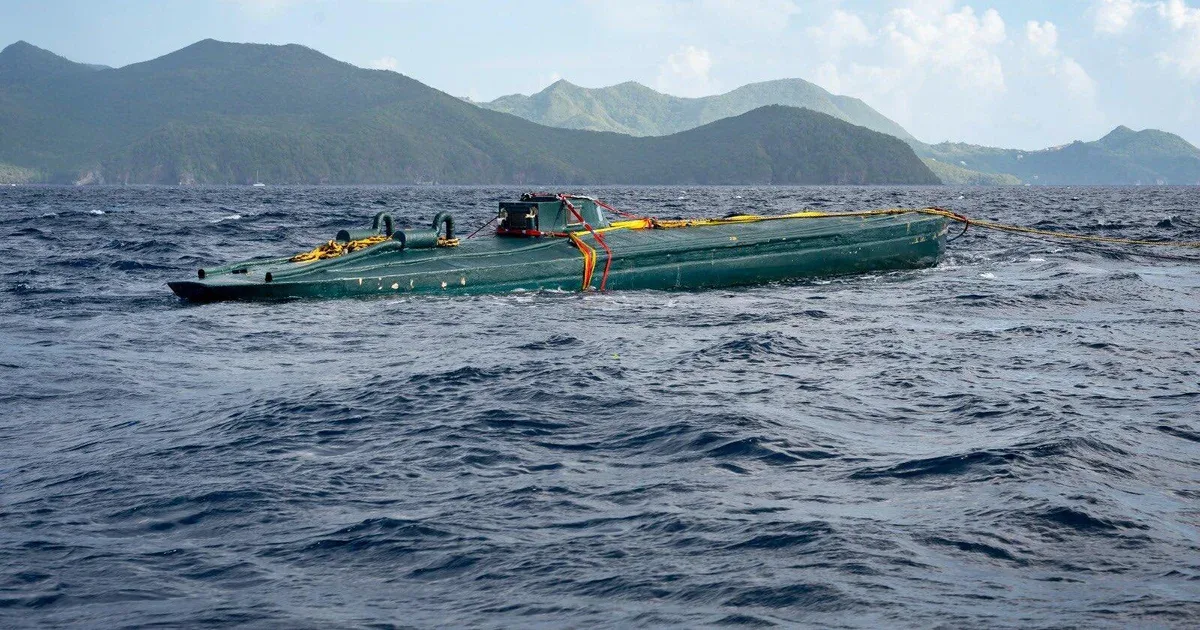
The French navy intercepted a semi-submersible craft suspected of drug trafficking in the Atlantic on November 17, and no drugs were found aboard. Two crew members were nonetheless arrested, and the case now rests entirely on the circumstances of the vessel rather than its cargo.
CBS News reported that organized crime prosecutor Vanessa Perree said the craft was flying no flag and was suspected of trafficking when French forces stopped it. She cited “the vessel’s location, lack of flag, its clandestine nature and items discovered onboard” as grounds for the arrests, and said the seizure “deals a serious blow to the drug traffickers’ logistics.” The operation was carried out with the Colombian navy and the U.S. Joint Interagency Task Force South.
Armed forces minister Catherine Vautrin, in a post on X that included images of the vessel, wrote that “an entire criminal network and its associated logistics have been disrupted.” CBS noted the French armed forces said they were maintaining efforts against trafficking networks from the French Antilles.
The contrast with two weeks earlier
The timing matters. CBS reported this was the second semi-submersible interception by Caribbean-based French forces in recent weeks. On November 12, the navy seized nearly 330 pounds of cocaine from a similar craft, and the armed forces released video of that interception.
That first case produced the thing prosecutors usually want: a physical seizure. The second produced none. The gap between the two is where the significance sits — one operation stands on its cargo, the other on inference.
What the officials said, and what they didn’t
Perree’s list is specific about what the boarding team saw but not about what the “items discovered onboard” were; CBS does not say. The prosecutor’s framing is that location, flag status, secrecy and those items together justify detention. Vautrin’s framing is broader, asserting a network has been disrupted. Neither statement, as CBS reports them, describes what the two crew members are accused of beyond the suspicion that triggered the stop.
CBS also noted, without elaboration, that narco subs cannot go fully underwater and are popular with traffickers partly because they can sometimes elude detection. That detail explains why navies keep intercepting them and why a boarding can end with an empty hold: the craft’s value to traffickers is evasion, not capacity.
The pattern here is that interdiction success is being measured in vessels and detainees rather than kilos. The November 12 seizure gave France a headline number. The November 17 interception gives it two people in custody and a prosecutor arguing that the circumstances alone are enough. Whether that argument holds is now a legal question, not a naval one.
Why it matters: the two interceptions, ten days apart, show the same French force producing very different kinds of evidence. One case can be counted in cocaine. The other will have to be proven on the boarding party’s account of where a flagless craft was and what was inside it — a harder thing to put in front of a court, and a reminder that disrupting logistics and securing convictions are not the same achievement.