Solar subsidy changes in 2027 push European homeowners to book installers early
Changes to solar incentives and long installation processes mean European homeowners could benefit from planning now, with industry experts urging those considering a switch to contact suppliers before Christmas — not to catch the winter sun, but to get ahead of subsidy and tax changes due in 2027.
Although a typical rooftop solar installation takes just one or two days, getting building permits and, in some cases, approval to connect to electricity grids can take weeks. Sometimes months. An OECD report last year, citing earlier research, found permit times for rooftop solar projects ranged from six weeks in Malta to as many as 10 months in Bulgaria. Bulgaria has since scrapped permit requirements for solar systems up to 20 kilowatts intended for personal use, but delays are still common across Europe.
In Germany, a consumer watchdog warned last year that homeowners in Saxony were waiting months to have their solar panels connected to the grid — and, in extreme cases, more than a year. Edward Gurney, founding director of the UK-based Solar and Battery Company, says approval from electricity providers can take four to five weeks even under normal circumstances. “A lot of solar equipment is manufactured in China, and getting replacement stock delivered can take around six weeks,” he says.
Winter weather can also disrupt installation schedules, as icy roofs make working conditions unsafe. “When you’ve already got a busy installation schedule, losing even a few days to bad weather can push subsequent installations back,” Gurney says.
Why it pays to install before spring
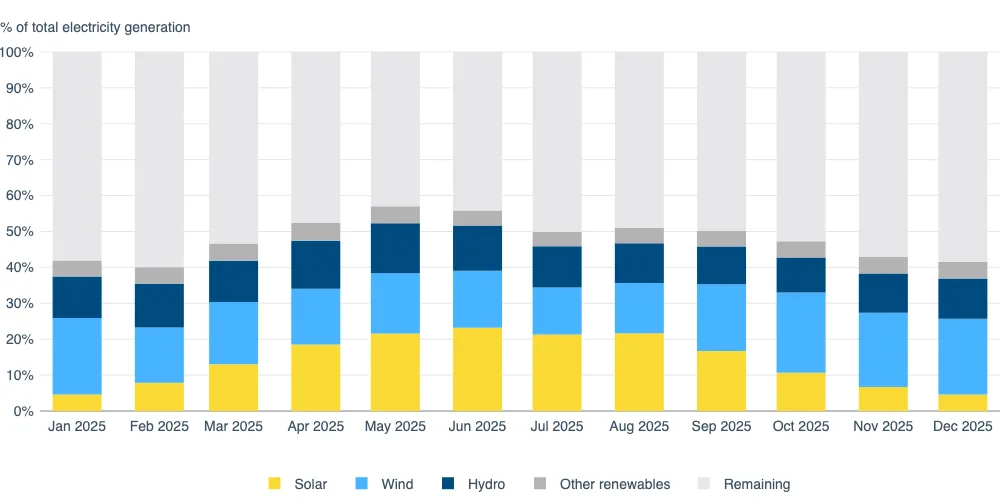
Waiting until the weather warms up could mean missing a prime period for solar production. Solar power generated less than five per cent of the EU’s electricity in January last year, but by May it was supplying more than 20 percent, according to the European Environment Agency. In Germany alone, 74 per cent of the solar electricity fed into the grid last year was generated between April and September.
Gurney recommends using winter to assess how much electricity a household might use and to compare quotations from different installers. “The number of panels, battery capacity and how much electricity your household uses will all affect the long-term value of the installation,” he says.
Subsidies are changing
Homeowners in several European countries could face changes to the cost of installing solar panels in 2027. Since April 2022, homeowners in England, Scotland and Wales have been able to have solar panels installed without paying value-added tax. From 1 April 2027, the tax rate will return to five per cent.
In Germany, people who install solar panels from January onward could miss out on government support unless new energy laws are approved before the end of the year, the German Solar Industry Association warns. Lawmakers have tentatively agreed to continue paying homeowners for surplus electricity they sell to the grid from solar systems up to 25 kilowatts, but have yet to strike a final deal. In Austria, the government plans to stop offering grants for solar panels in 2027 and instead help homeowners buy batteries to store the electricity they generate.