UK benefits department hit by cyberattack, some systems still down
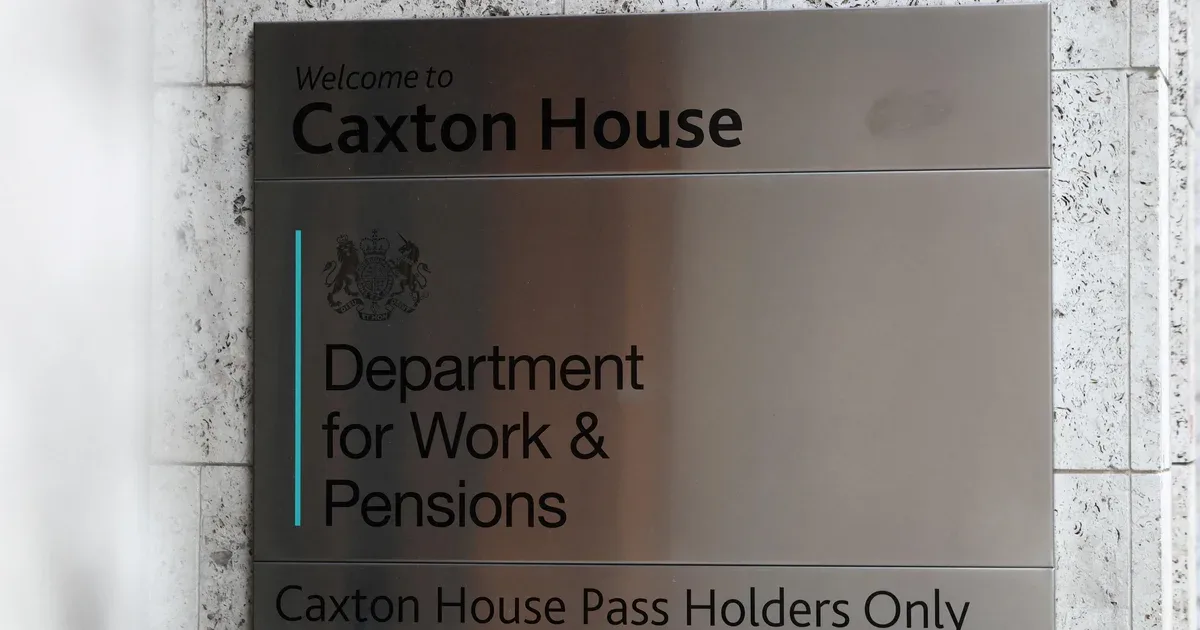
Britain’s Department for Work and Pensions, the government department that handles benefit payments to millions of people, confirmed Saturday it was hit by a cyberattack that led it to take systems offline over the past couple of days.
The department, the biggest-spending in government, said in a statement it had experienced “an attempt to gain unauthorized access to our systems.” It did not disclose further information about the source of the attack.
“Our team and specialist cyber experts continue to investigate a cyberattack on DWP’s systems,” the department said. It said it was working with the National Cyber Security Centre and the Government Cyber Coordination Centre to understand what occurred.
The incident was first detected on Thursday night. A range of services were taken offline as a precautionary measure, and several remained offline on Saturday. The department’s statement did not say how much longer the systems would be offline.
The department has said there was no evidence any personal details were compromised, and that pensions and benefit payments continued to be made as normal. On Friday, the prime minister’s office said there was no evidence a “malicious actor” had targeted other government departments.
Mike Bracken, who once led the U.K. Government Digital Service, told CBS News partner BBC News the cyberattack should be a “wake-up call” for governments to “think about their approach to technology” and its resilience.
“The renewal of systems without a more thoughtful approach to technology, and technology’s role in our public policy, is a fundamental problem,” he said, adding: “It’s about designing an infrastructure that is secure and resilient that we want to have work for us for decades to come.”
The cyberattack is the latest in a series of cybersecurity incidents to hit the United Kingdom. Most notably, a number of U.K. meat suppliers said in early November their fridges heated up overnight as they were affected by hacks targeting software used by supermarkets across Europe.
Earlier this month, the country’s cyberchief said the U.K. will likely face artificial intelligence cyberattacks on its critical infrastructure by 2028, as criminals and states, including China and Russia, increasingly use AI in their cyber activity. Richard Horne, head of the National Cyber Security Centre, said that could include AI-powered malware for ransomware attacks, as the technology will allow “vulnerabilities that have been tolerated for far too long” to be discovered and exploited “at a scale that was once unimaginable.”