Visa survey finds 27% plan physical gifts while 15% buy experiences for others
Consumers want more travel and experiences this holiday season, but physical gifts still take most of their spending, according to a new report from Visa released Thursday.
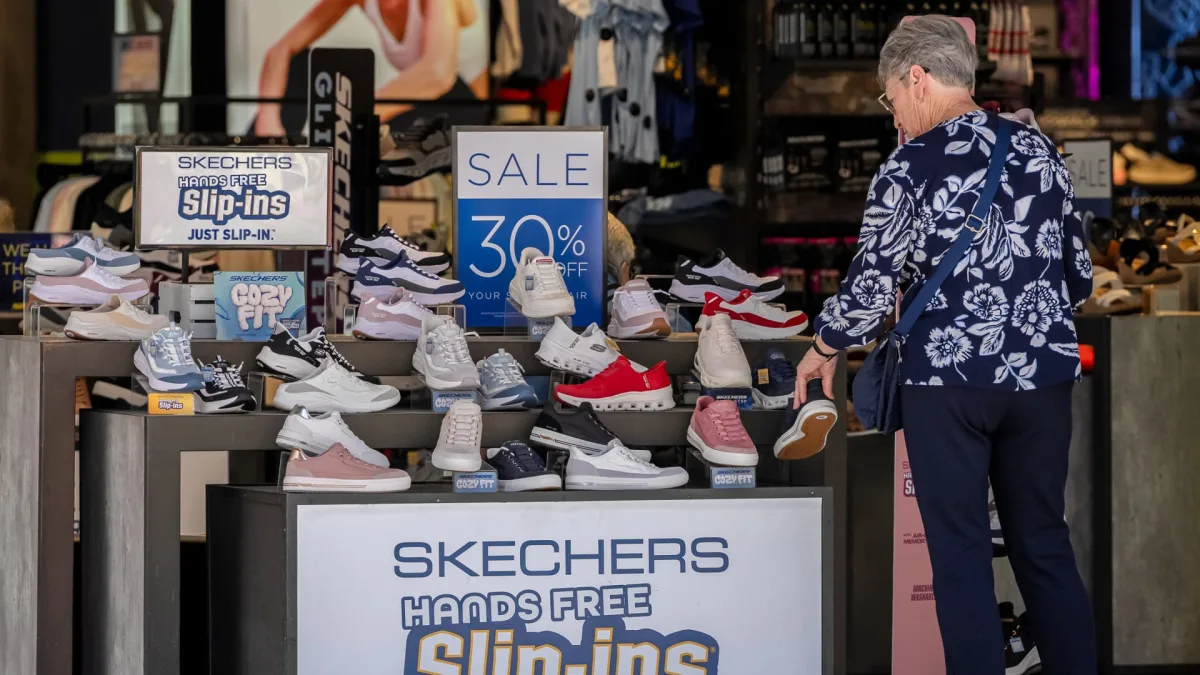
The report found that more than half of survey respondents put travel and live events at the top of their wish lists. Still, only 15% of those respondents are prioritizing spending on experiences for others, while 27% plan to favor physical gifts.
That gap between what shoppers want and what they plan to buy is largely due to higher travel costs, lower consumer sentiment and an emphasis on value, according to Michael Brown, Visa’s principal U.S. economist.
“There is some interesting trade-offs there that we’re seeing on the part of consumers,” Brown told CNBC. “If I’m traveling more, I’m probably going to be gifting those physical goods less, so this is really the broader context.”
The survey was conducted among roughly 4,660 U.S. adults ages 18 and older and was designed to be representative of the broader population of consumers.
Brown said budget pressure also factors into holiday travel, as Visa expects more people to celebrate “a little bit closer to home” than in the past given rising airfares and general inflation. In September, consumer prices rose 3.7% annually, driven higher by surging energy costs.
Airlines have raised ticket prices this year as their fuel costs rose by billions of dollars due to the war in the Middle East. Even if fuel prices drop, executives have said fares are likely to stay high, with fares up more than 22% in September compared with a year earlier, according to the consumer price index. Those trends mean consumers will likely be more intentional about where they spend, especially as inflation drives up prices across the board.
“Consumers are aspirational. They want those experiences, they want to travel, they want to be out in the world,” Brown said. “However, the economic reality is with prices rising, with economic uncertainty, they need to balance the reality of today’s economic environment with those aspirations.”
The report also found that only households with an income above $200,000 spent more on trips departing between Nov. 1 and early next year compared with 2025 into 2026. Many other income groups pulled back on travel spending.
“If you think about that segment, a lot of them own equities, and the equity market runup over the last several months has created a lot of positivity among that specific affluent demographic, and I think that’s one of the factors that continues to motivate even aggregate macro spend today,” Brown said.
Meanwhile, less affluent shoppers are emphasizing value. Visa’s consumer survey from October showed that roughly one-third of consumers with an income below $100,000 will switch to lower-cost brands or stores when shopping for holiday gifts this season. Visa projects a 4.5% year-over-year increase in holiday sales growth, but much of that figure is due to inflation. Without those price increases, sales are expected to rise just 1.1% this year, down from the 1.3% increase during the 2025 holiday season.
Brown said the survey findings may be encouraging for the broader retail sector this holiday season. With less emphasis on travel and more projected spending on physical gifts, it could boost the sector at a time when spending is under pressure. At the same time, he said consumers may simply expect to spend more this holiday season because they have become accustomed to higher prices.
“But, of course, consumers are internalizing higher prices of things, and I think that’s why they’re reporting higher anticipated spend this year,” Brown said. “I think these numbers just need to be looked at through the lens of the inflation and particularly consumers’ perception of where inflation is going to go. I think that weighed heavily on consumer psychology this season.”