Phota Labs app aims to fix the shot, not just edit it

A new iOS app called Phota Labs gives users a personal AI photo assistant that turns everyday snapshots into images that look like they were taken by a professional photographer, while preserving the authenticity of the image, TechCrunch reported. Rather than offering another photo-editing tool, Phota Labs aims to use advances in AI to automate the editing process so anyone can get better photos.
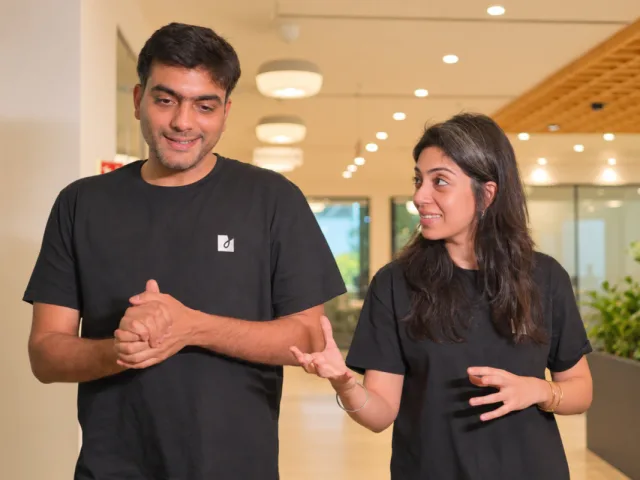
The a16z-backed startup was founded by Cecilia Zhang and Zach Xia, who met at Adobe while working on computational photography products, including Project Indigo, Lightroom and Photoshop. The pair saw a gap in editing tools on the market and believed that although editing tools can be powerful for enhancing photos, they are not very effective at fixing a photo that was not captured well in the first place. Phota Labs focuses on fixing the shot itself while preserving the natural appearance of those in the image.
“Phota is your personal photo assistant that can make great photos for any moment you want to keep before you even ask, which means that it’s a very proactive experience,” Zhang told TechCrunch in an interview. “Think of it almost like a photographer or virtual photographer who looks over your camera roll and tries to understand what’s happening and how they could have taken that photo for you on the spot for that scene.”
The idea is to use AI to transform photos, whether turning a wide-angle group photo into a tighter portrait or transforming a selfie into a regular shot. Users can choose from different photography styles that determine how AI transforms their images, ranging from subtle edits that preserve the original lens and composition to more dramatic transformations that introduce effects like fish-eye lenses, alternative angles and entirely different perspectives.
While some people turn to ChatGPT and other generative AI tools to enhance or edit images, these tools can often alter a person’s appearance, especially when working with blurry photos, because they don’t know what that person actually looks like.
“For Phota, we built our own tech,” Zhang said. “We built this personalization technology that actually learns about people’s identity and is able to preserve them in any transformation we do to a photo.”
Images edited with Phota Labs feature invisible watermarks that identify them as altered by AI when shared on social platforms. The startup is initially targeting people who take many photos and like to share them on social media but don’t want to deal with the tedious process of editing. Over time, the founders envision a broader audience, from retirees looking to create beautiful photos for their grandchildren to parents who want to share polished family albums with friends and relatives.
“We have this obsession with authenticity,” Xia said. “I think there’s so much value in connecting AI with real moments and making sure those photos are not perfect, in a sense. That’s why we spend a lot of research into understanding personal context, into building this identity model because we want to make sure the photos are authentic. They’re just better photos of the same moment, rather than saying, ‘Oh, this is an AI image’.”
Xia said beta users were excited to see better versions of moments they had actually lived and saw the results as photos of real memories rather than AI-generated images. The founders discovered that users were taking more photos because they knew Phota Labs could enhance them later.
“We’re turning something that’s unusable into something that people want to print,” Zhang said. “People who just love photos but never really got into editing can now experience professional quality that could never have been possible. So, I think that meant so much to us. There’s so many cherished moments for photos, and we really want them to be actually meaningful and something that you can remember.”
The company raised a $5.6 million seed round led by a16z last year. Phota Labs is launching as a free app to build an initial user base before exploring a freemium model. The startup also plans to launch an Android app in the future.