Megaspeed’s Empty Offices Deepen the Nvidia China Questions
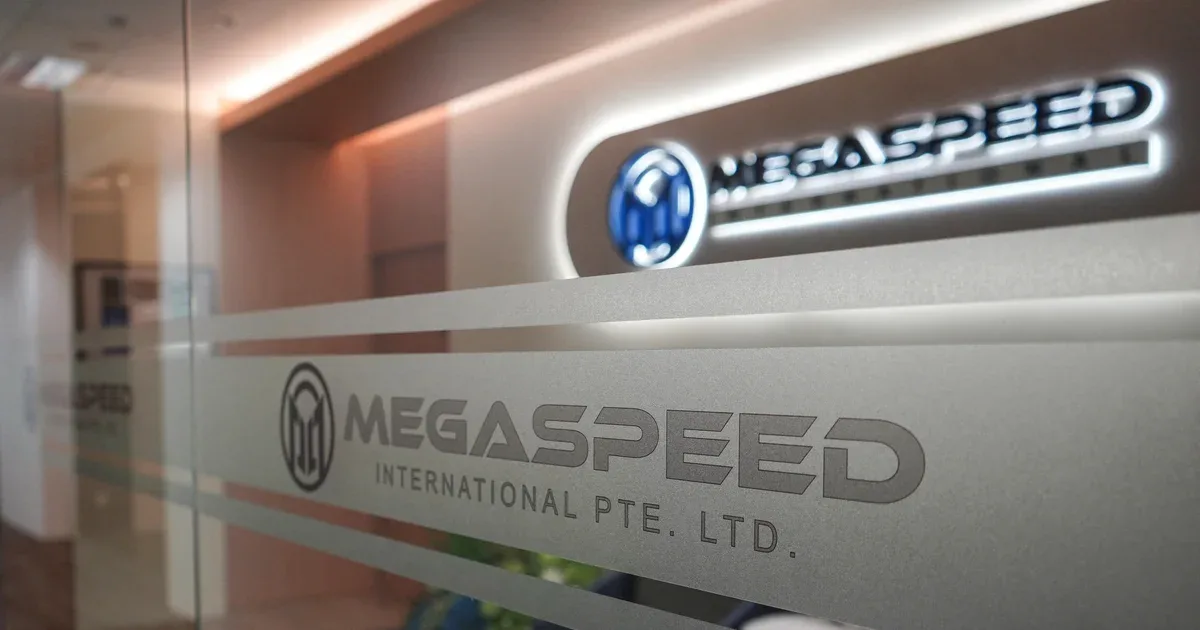
The Singapore-based company at the centre of the Nvidia Chinese spy scandal, Megaspeed International, had corporate headquarters that sat practically empty and outposts described in published reports as a newspaper vendor’s address and a dilapidated storefront outside Kuala Lumpur. CBS News reported those details, attributing the headquarters observation to The Straits Times and the $5 billion figure for Megaspeed’s purchases of Nvidia AI chips and advanced hardware to The New York Times.
CBS reported that Megaspeed began as an offshoot of a China-based gaming firm and grew by gaining access to restricted Nvidia AI chips. It reported that U.S. investigators say Alice Huang — described by CBS as one of Megaspeed’s leaders, the woman with whom Nvidia CEO Jensen Huang was having an affair, and someone suspected by U.S. intelligence of being an asset of China’s Ministry of State Security — used her industry contacts and a series of shell companies to gain access to 240,000 chips banned for export into China. CBS reported the company is now being probed in both the U.S. and Singapore for allegedly smuggling those chips into China, and that Jensen Huang resigned on Thursday.
CBS reported Megaspeed’s statement that it “takes its compliance obligations under U.S. export control laws extremely seriously,” that it is “committed to working constructively and transparently with the U.S. government,” and that it “has cooperated with inspections by the U.S. Department of Commerce’s Bureau of Industry and Security (BIS) and stands ready to cooperate fully with any other relevant U.S. government authority.”
Fortune, meanwhile, reported the case through the lens of a short seller. Six months ago, it reported, Nvidia stock peaked at $235.74 a share; Nvidia is now down 27.9% since then. In a May report, short seller Culper Research raised concerns about Nvidia’s exposure to China, including Huang’s relationship with Alice Huang. “This is not a bet against AI. We are short Nvidia for one reason: the Company has a significant China problem,” the report read, according to Fortune.
Fortune reported that the central allegation in Culper’s report was that more than 20% of Nvidia’s fiscal 2026 compute revenue was driven by Chinese demand, despite assertions from the company that its China business had fallen to zero following U.S. export restrictions in April 2025. Culper alleged the revenue came through the smuggling of restricted GPUs to Chinese customers and via Southeast Asian intermediaries that purchased Nvidia hardware and provided computing capacity to Chinese companies, with the allegations focused on Megaspeed, which Culper says was secretly financed by China’s Alibaba through a network of shell companies. Fortune reported that Culper said Beijing has since blocked Nvidia imports in favour of its own domestic chipmakers, and quoted the report: “Our review of trade records suggests substantial declines in CY Q1 2026 shipments,” while mainland operators reportedly told Culper there are now “very few orders” in China, presenting “a huge blow to Nvidia financially.”
The two accounts enter at different points. CBS reports an active investigation and the physical facts of Megaspeed’s footprint; Fortune reports what a short seller alleged months before those inspections became public, and the stock move since. Fortune’s report describes Culper’s claims as allegations; CBS attributes the chip-smuggling account to U.S. investigators. Neither outlet’s item carries a statement from Nvidia responding to the specific smuggling claim, and the Megaspeed statement CBS quotes does not address the allegations directly.
What matters is how the two halves fit. CBS’s reporting is about whether the chips moved; Fortune’s is about whether the revenue Nvidia booked depended on them moving. If Culper’s revenue allegation were borne out, the question would not be confined to a single Singapore company’s offices, but would reach Nvidia’s own disclosures about the state of its China business. That is interpretation, not something either outlet asserts. What both items do establish is that the scrutiny is now running on two tracks at once — a criminal and regulatory inquiry into Megaspeed, and an investor case about what Nvidia knew and told the market.