Singapore’s Nvidia Probe Found Washington Unhelpful, Sources Say
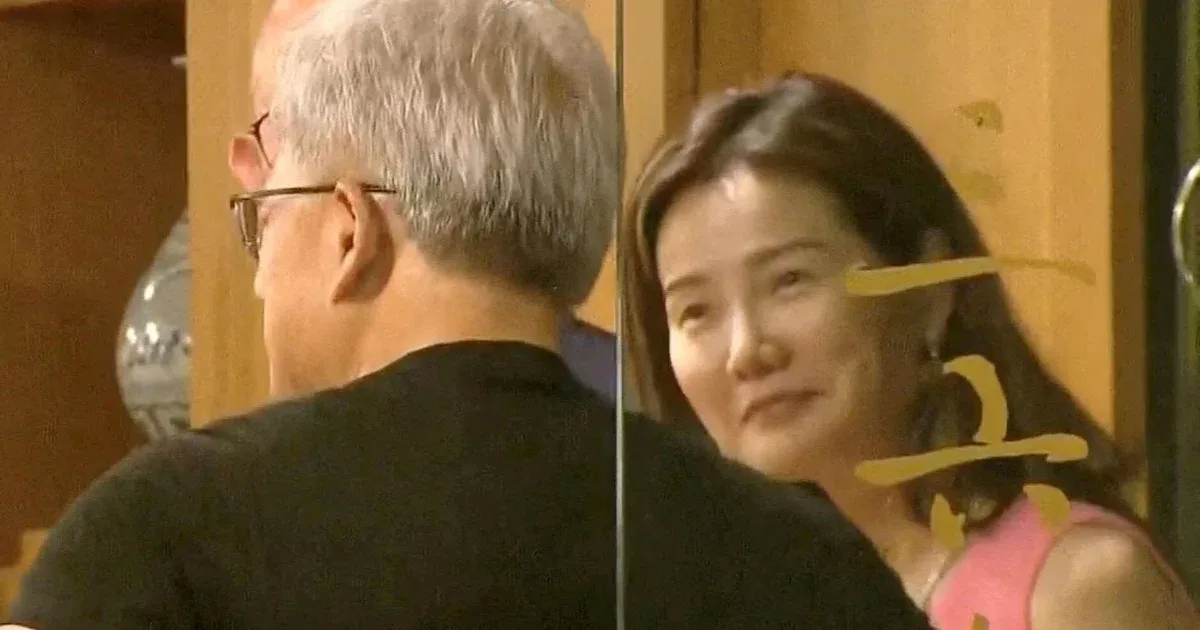
Singaporean authorities held the passport of then-Megaspeed chief executive Alice Huang for eight months from June 2025 while investigating whether advanced Nvidia chips were being shipped to China, and received no meaningful help from Washington during that time, CBS News reported, citing a source with knowledge of the matter. The same week, a Business Insider piece argued that new reporting has cast doubt on the intelligence at the centre of the scandal that ended Jensen Huang’s tenure at Nvidia.
The two items approach the same affair from opposite ends: one from the enforcement side, one from the intelligence side. Read together, they describe an investigation that was pressured from abroad and contested at home.
What Singapore says it asked for
CBS News reported that Singapore’s government confirmed in a statement this week that it reached out to both the US Department of Justice and the FBI for assistance with its investigation. Its source said officials in Washington were “not forthcoming” in response to Singapore’s requests, and that no substantive assistance had been provided to date.
The outlet also reported the mechanics: since February 2025, Singaporean authorities have been investigating whether Alice Huang and Megaspeed worked with California-based Supermicro to ship servers equipped with advanced Nvidia chips to China. Alice Huang flew into Singapore in June 2025 for a voluntary interview with investigators from the US Bureau of Industry and Security, which sits within the Commerce Department; per CBS, the American authorities requested the interview as part of a post-shipment verification check.
The intelligence is disputed
Business Insider’s piece is explicit that it is weighing a theory rather than reporting a conclusion. It cites CNN reporting on Thursday that US intelligence agencies have not established that Alice Huang was actually spying for China, that there is disagreement among officials about whether she was recruited by China’s intelligence services, and that some CIA officials are unconvinced intercepted communications prove she knowingly passed information to Beijing.
Business Insider frames the question itself — “What if the spy allegations were exaggerated to achieve a political goal?” — and labels it as a possibility worth considering, not a finding. That distinction matters. The CBS sourcing is a single source with knowledge of the matter, plus a government statement confirming that requests for help were made. Neither outlet establishes what the underlying intelligence shows.
Where the accounts sit together
The items do not directly contradict each other. CBS describes a foreign regulator trying to build a case and finding Washington slow to help; Business Insider describes US officials themselves divided over whether there was a case. Both point at the same weak link — the strength of the evidence about Alice Huang — from different directions.
The asymmetry is worth naming. Singapore detained a passport and pursued an investigation for months; the US agencies it asked for help, per CBS’s source, did not substantively provide it. Business Insider’s account suggests part of the reason may be that the American intelligence picture was never settled.
This suggests the scandal that removed Jensen Huang from Nvidia rests on intelligence that is, on the available reporting, contested inside the US government and was pursued abroad without meaningful American support. That does not resolve whether Alice Huang was a spy. It does mean the public account of why Huang left is less settled than the speed of his departure implied.