Denmark Says Russia Plotted a Killing on E.U. Soil
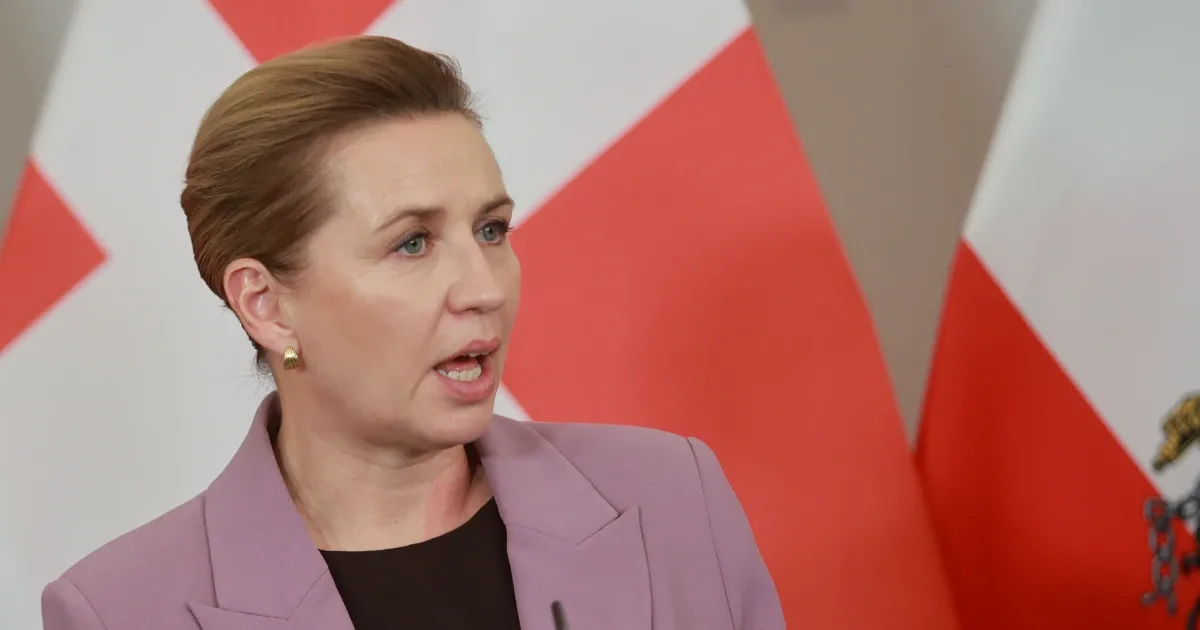
Denmark said Friday that authorities thwarted an attempt to kill a Ukrainian American citizen on Danish soil, a plot the prime minister’s office attributed to Russian intelligence services. Denmark expelled the Russian defense attaché in response, and two alleged members of the outlawed gang “Loyal to Familia” have been arrested in connection with the attempt.
NBC News reported that Danish broadcaster DR, citing a court hearing, said the two men are suspected of having been recruited to assassinate a Ukrainian rapper ahead of a planned performance. Police thwarted the plot when they arrested the two shortly before rapper Kyivstoner’s September 25 concert, which was later cancelled. The men were stopped in a vehicle carrying several weapons, according to NBC News. It was unclear, the network noted, how police identified the two men, how the investigation expanded to include two other men not accused of participating in the alleged plot, or how Russian intelligence services allegedly recruited the Danish suspects. All four men have been held in custody since September, DR reported.
Two audiences, one message
The story is being told on two tracks, and the difference matters. The operational facts — arrests, weapons, a cancelled concert — come from police and from DR’s account of a court hearing. The attribution to Russian intelligence comes from the Danish prime minister’s office, and the expulsions from the foreign minister, Lars Løkke Rasmussen, at a news conference.
Prime Minister Mette Frederiksen framed it in the broadest terms available to her: “It is a clear illustration of the grave security situation Denmark and Europe find ourselves in. We are facing a Russia under pressure which is acting more aggressively and is more willing to take risks.” European Commission President Ursula von der Leyen said Saturday the E.U. stands in full solidarity with Denmark: “This was an attack on E.U. soil. And it is unacceptable.”
That escalation from a national criminal matter to an E.U.-level statement is the part worth watching. Frederiksen’s language is about posture and risk tolerance, not about one rapper or one gang. Von der Leyen’s is about jurisdiction — the framing of an attack on European soil rather than on Denmark alone.
The Poland timing
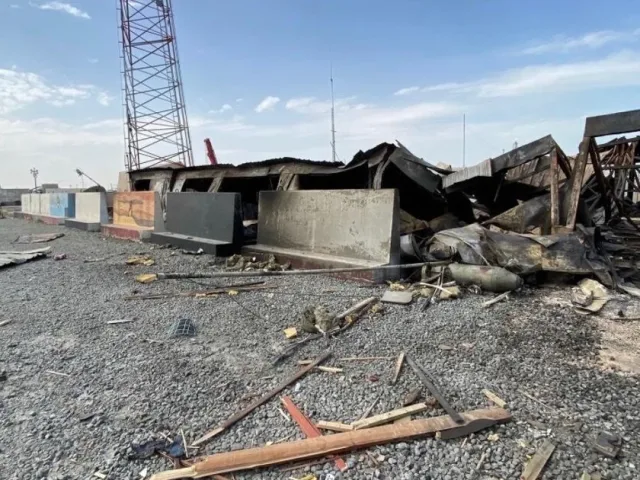
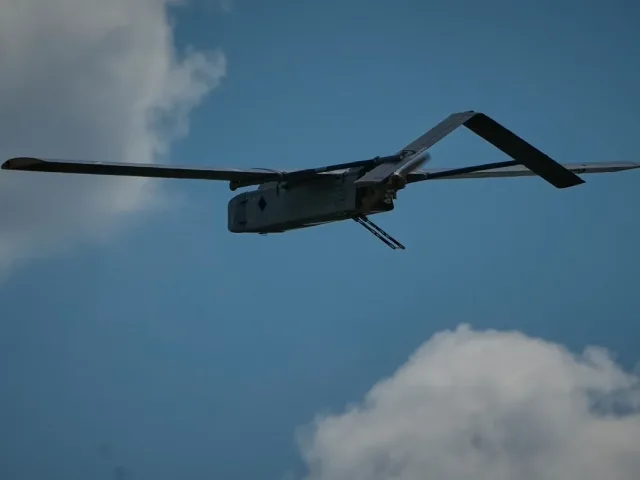
NBC News noted the Danish announcement came as tensions between Europe and Russia heightened again: two Russian missiles and a suspected drone came down in Poland, in what its prime minister said was likely a provocation timed to coincide with European military exercises in his country for a possible postwar mission in Ukraine.
The two stories are separate — different countries, different evidence, different officials — and nothing in the reporting links them beyond timing. But the timing is doing real work in how both are being received. Denmark’s case rests on arrests and an expulsion; Poland’s on munitions that landed on its territory and a prime minister’s reading of intent. Neither outlet supplies the evidence behind the Russian attribution in the Danish case, and NBC News is explicit about the gaps in the chain: recruitment, identification, and the role of the two additional detainees all remain unexplained.
Why it matters
The pattern here is that European governments are now willing to name Russian intelligence publicly, expel diplomats, and let a Commission president describe a foiled street-level killing as an attack on E.U. soil — before the full evidentiary picture is public. That is a political choice as much as a security one. It also raises the bar for what comes next: once an allegation is made at that level, the burden shifts to the evidence, and the unanswered questions NBC News flagged are the ones that will determine whether the accusation holds.