More new fathers than mothers now take paid leave, KPMG finds
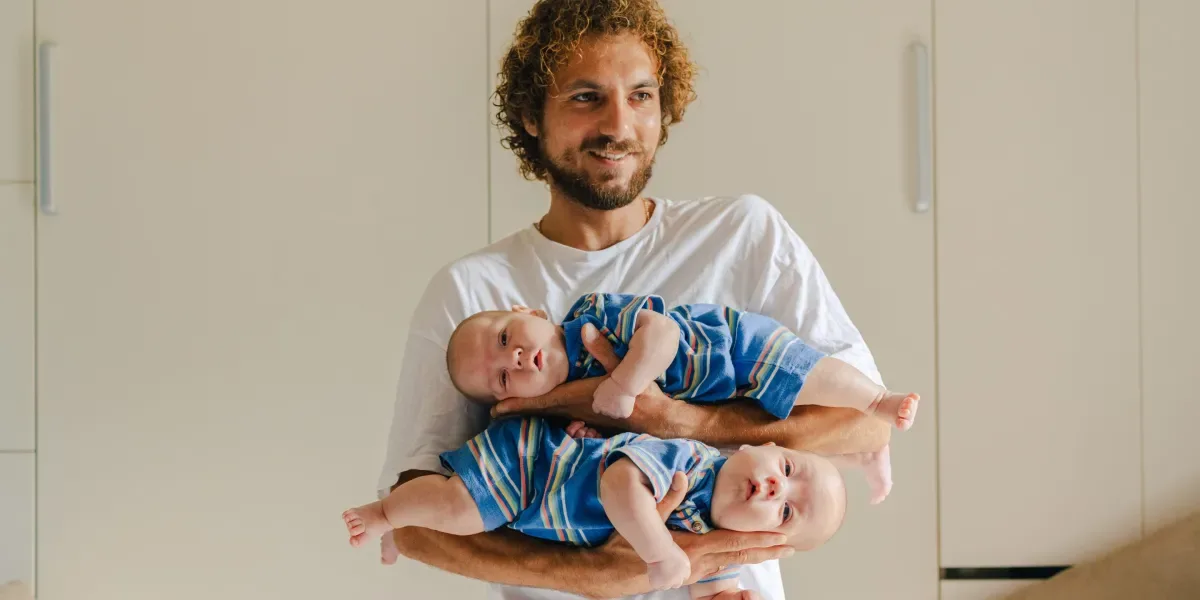
First-time fathers are now slightly more likely than first-time mothers to take paid leave after a birth, according to a new KPMG Economics analysis of Census data. From 2021 to 2025, 56.1% of first-time fathers took some form of paid leave in the 12 weeks after a birth, compared with 52.5% of first-time mothers.
The gap has flipped. For births before 1986, a first-time mother was more than three times as likely as a first-time father to take paid time off after the baby arrived, and just 11.5% of fathers took paid leave. Counting unpaid time off, nearly three in four first-time fathers now take leave after a birth, more than five times the 13.7% who did before 1986.
The biggest jump came for births in the late 2010s, as states expanded paid leave programs and more employers began offering it as a benefit. For births from 2019 to 2025, 53.1% of first-time fathers used paid leave, up from 39.5% for births from 2011 to 2018. Over the same period, fathers’ use of paid vacation time ticked down, which suggests dads are swapping vacation days for parental leave.
Many still lean on vacation time. Fathers were three times as likely as mothers to use paid vacation after a birth, 23.2% versus 7.3%, which may be because they don’t have access to the disability leave many mothers use. Mothers were nearly twice as likely as fathers to take unpaid parental leave, 33.6% versus 17.8%. Their share taking any paid leave has grown more slowly, up 15.1 percentage points since before 1986 compared with 44.6 points for fathers, partly because mothers started from a higher base.
The U.S. has no federal paid family leave law, but 14 states and Washington, D.C., have passed their own programs. Maine, which passed its program in 2023, began paying benefits of up to 12 weeks in May. In California, which offers up to eight weeks of paid bonding leave, men filed 51% of bonding claims in 2025, the first time they outnumbered women in the program’s history; when it started in 2004, men filed about 18% of claims. Men have also overtaken women in Colorado and Washington, according to Paid Leave for All.
The KPMG figures cover parents who worked during the pregnancy and took leave in the 12 weeks after the birth, a different group from men who leave the workforce to stay home. Access is still uneven: among workers with paid leave, more than one in five couldn’t use it to care for a child or an aging relative, according to the analysis, and lower-income workers are less able to afford unpaid time off. One study found that New York dads forgo $1.6 billion in paid state leave.
Nestler said employers should treat the trend as a hiring and retention issue. “The workforce has changed and what workers expect from employers has also changed. That is especially the case with caregiving and paid leave benefits,” he said to Fortune in a statement. “Facing a demographic crunch—aging population that is retiring along with a more restrictive immigration policy—employers need to compete for top talent.”
“Paid parental leave is no longer a nice-to-have HR benefit; it is a core workforce and business investment that can help improve satisfaction, retention and productivity of a key employee segment: new parents, mainly Millennials and Gen Z, many of whom are managers, directors and leaders.”