Sri Lanka murder suspect caught after scooter hits elephant
A Sri Lankan man suspected of fatally stabbing a woman was arrested on Friday after his scooter crashed into a wild elephant as he tried to flee, police said.
The 49-year-old man is accused of stabbing the woman in her home in the northern district of Anuradhapura, a police official told AFP. His escape ended when the scooter hit the elephant as it came out of the jungle onto the road a short distance away, the official said.
Witnesses told police the elephant appeared to be unharmed and went back into the jungle. The man was arrested and was receiving treatment for unspecified injuries under armed guard in hospital. Police also said they had recovered the suspected murder weapon.
Encounters between humans and elephants are relatively common in Sri Lanka, where expanding settlements and farms often overlap with animal habitats. The island recorded about 400 elephant and 150 human deaths annually over the past five years, according to official figures.
Sri Lanka is home to an estimated 7,000 wild elephants and considers the animals a national treasure protected by law. Residents in remote villages sometimes attack elephants that destroy their crops.
According to the World Wildlife Fund, “the Sri Lanka elephant is protected under the Sri Lankan law and killing one carries the death penalty.”
Conservationists and veterinarians have previously warned that plastic waste in a landfill in eastern Sri Lanka was killing elephants in the region. In 2020, drone footage captured more than a dozen hungry elephants scouring for food in the landfill.
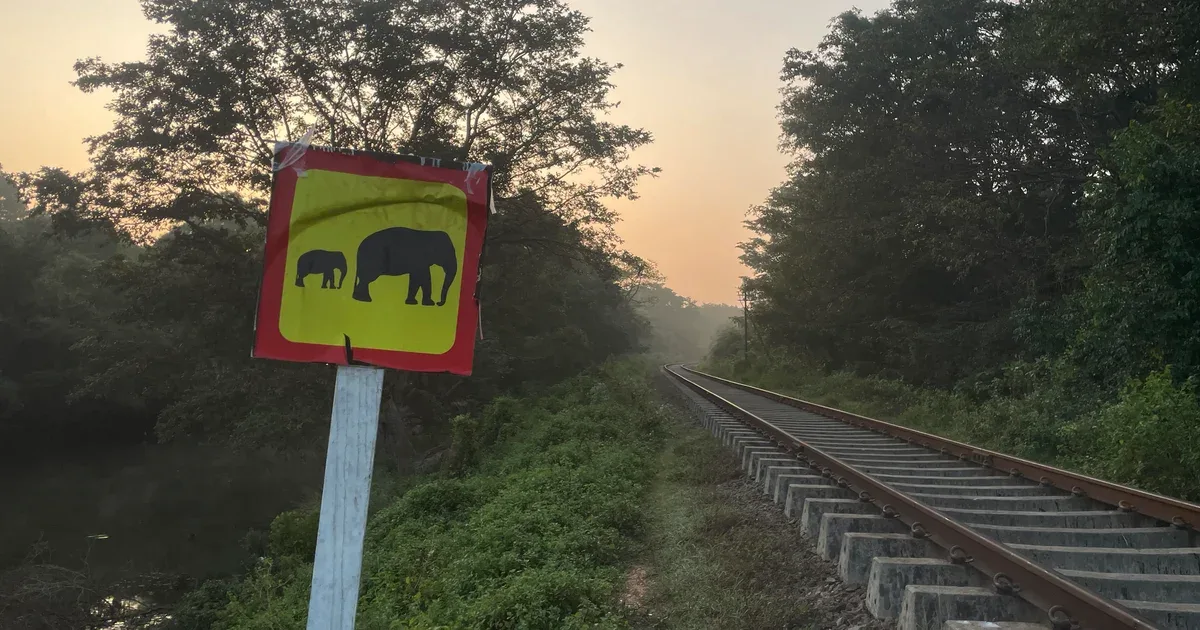
Elephants in the country are also sometimes injured or killed by trains. Last year, a Sri Lankan express train killed an elephant and was derailed. The incident happened three months after seven elephants were fatally struck on the same route, marking the country’s worst wildlife railway accident. At the time, wildlife officials said 139 elephants had been killed by trains over the past 17 years, since authorities began collecting such data.
India, which has a wild elephant population more than twice as large as Sri Lanka, also deals with regular train-pachyderm collisions. India has lost about 200 elephants over the last decade to train accidents alone, in addition to the high number of deaths from poaching and accidental electrocutions.