A Judge Lets Trump’s Paid Ads Stand as Elections Recede
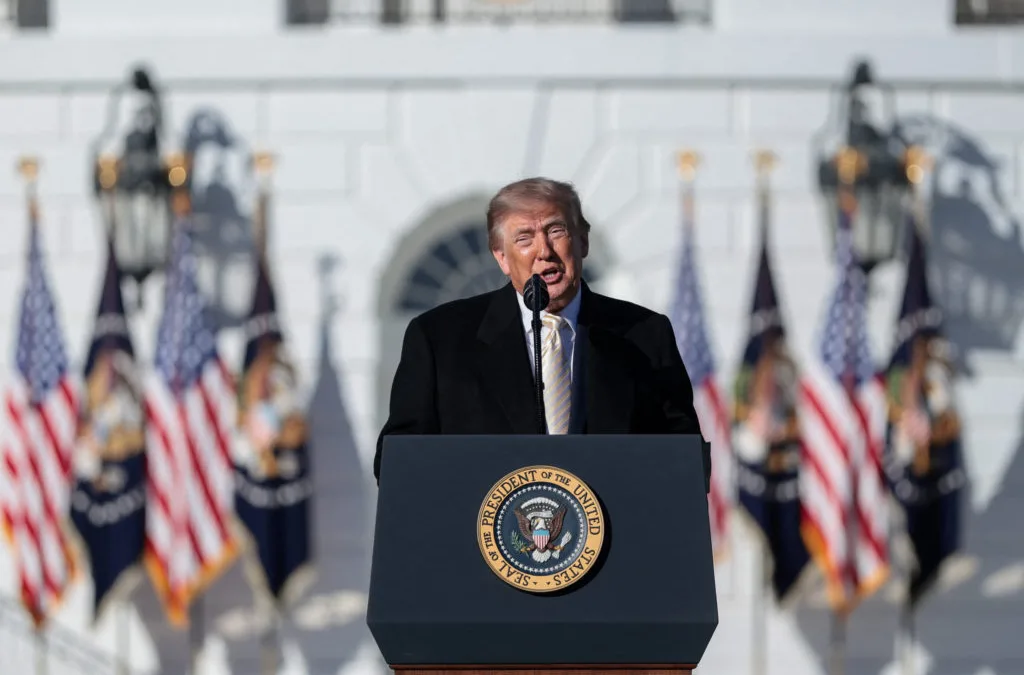
A federal judge on Wednesday declined to extend a temporary ban on taxpayer-funded advertisements that promoted President Donald Trump and his policies, siding against the Democratic National Committee. The ruling by U.S. District Judge Loren AliKhan, reported by PBS, follows a similar decision by another judge in a parallel case in New York who also declined a long-term ban.
The DNC had argued the TV spots amounted to illegal government-sponsored propaganda, timed to boost the president’s message just weeks before November’s midterms. PBS reported that Democrats sued the administration in October after it began airing ads paid for at least in part by a $20 million Department of Homeland Security contract, and that the DNC challenged at least 11 government-created ads that either aired on TV or appeared on Trump administration social media feeds. Some of the ads, per PBS, glorified the president with highlight reels of scenic speeches, promoted his tax cuts and emphasised support for law enforcement.
Why the timing decided it
The most telling part of the ruling is procedural rather than ideological. AliKhan noted that the earlier temporary restraining order had been issued when the election was less than a week away. “But the November 2026 midterm elections have come and gone,” she wrote, adding that the DNC was now claiming harm from the ads in December congressional runoffs or because the 2028 presidential cycle has already begun.
She was sharper still on the DNC’s broader theory. PBS reported that AliKhan took issue with the argument that the “permanent” nature of campaigns justified an injunction, writing that taken to its logical conclusion it “would allow the DNC to seek preliminary relief in perpetuity because it could always point to the occurrence of some election somewhere in the country.”
That is the crux. The court did not, on this account, rule that the ads are lawful propaganda or that the spending was proper — it ruled that the emergency posture that justified the first freeze no longer holds once the specific election it was protecting has passed.
What the record leaves open
It is worth being precise about what this decision does and does not settle. The underlying question — whether a $20 million Homeland Security contract can fund partisan messaging — is not resolved by a refusal to extend a temporary ban. The DNC’s case can continue on its merits; what it has lost, for now, is the fast remedy.
The fact that two judges in two cases reached the same conclusion lends the outcome weight beyond a single courtroom. But it also means the challenge to the ads will now unfold at the speed of ordinary litigation, not the speed of an election calendar.
The pattern here is one that recurs whenever courts are asked to police government messaging: the harm is easiest to see when a vote is imminent, and hardest to remedy once it has happened. A ruling that turns on the electoral clock effectively tells the party that the window for urgent relief closes with the ballots — even as the ads, and the contract behind them, remain.
That is why this matters beyond one judge’s docket. The decision leaves standing a taxpayer-funded apparatus that critics call propaganda and the government defends as communication, and it does so on the reasoning that the moment for stopping it has passed. Whether that apparatus is legal is a question still waiting for an answer.