Mexico’s DEA Tip Line Protest Tests a Coordination-Not-Subordination Claim
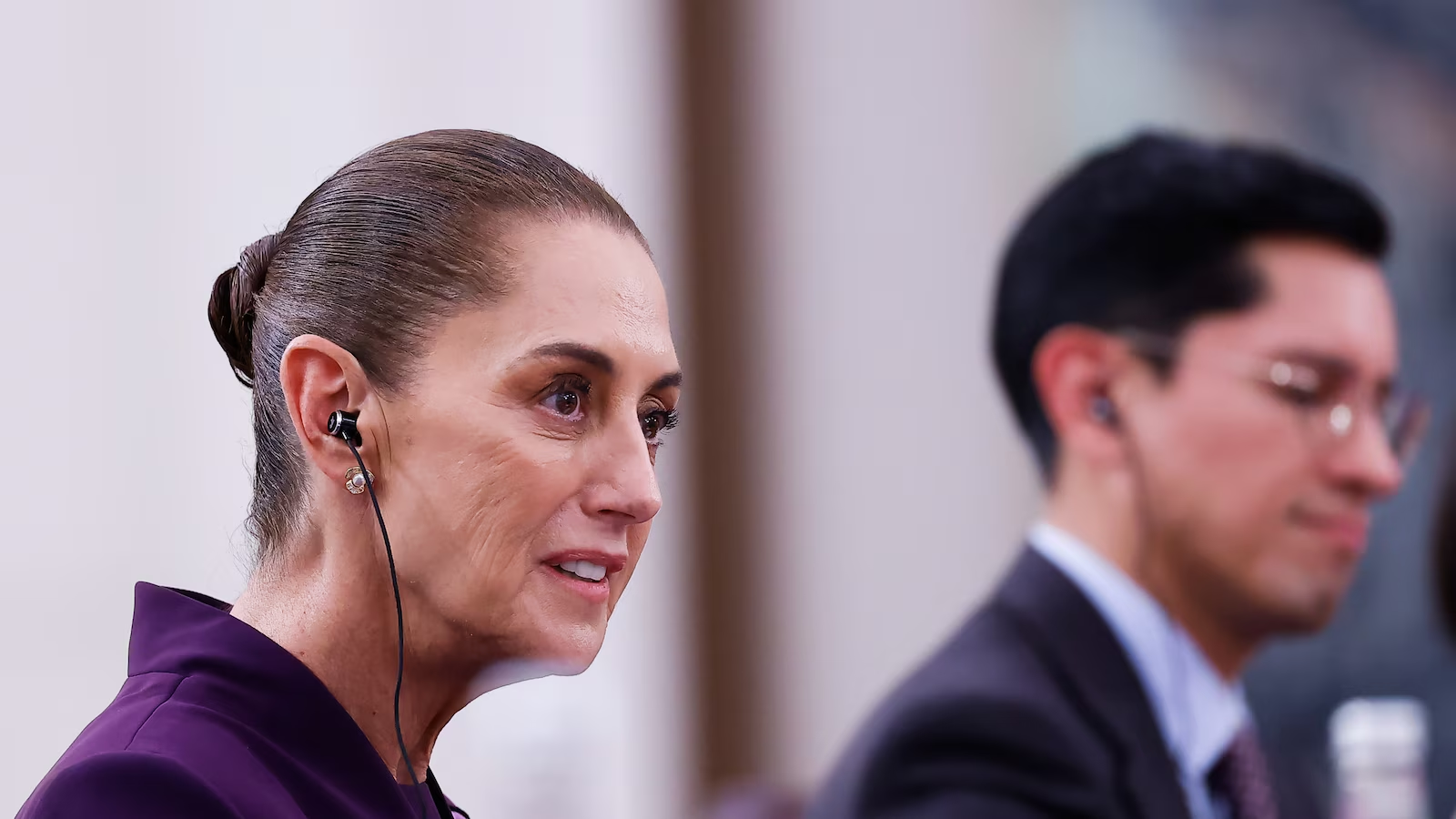
Mexico has filed a formal complaint with Washington over a new Drug Enforcement Administration anonymous tip line aimed at criminals and corrupt Mexican officials, President Claudia Sheinbaum said Friday, calling the move interference in her country’s internal affairs. The protest lands just days after Mexican forces, aided by a U.S. surveillance drone overhead, captured a major kingpin — a juxtaposition that sharpens the question of where cooperation ends and intrusion begins.
What the DEA did
According to ABC News, DEA chief Terry Cole announced on his X account Wednesday that the agency was opening an anonymous line for information on members and associates of designated terrorist organizations, corrupt officials who support them, criminal networks, and people laundering money to finance narcoterrorism in Sinaloa. Cole said a second line for Jalisco is planned. Sinaloa is the stronghold of the Sinaloa Cartel, which Washington designated a terrorist organization alongside five other Mexican criminal groups.
Sheinbaum’s response, as ABC News reported it, was framed around status rather than substance: “We have made it very clear in our relationship with the United States that the relationship is one of coordination, not subordination.” She also pressed the reciprocal argument, saying Washington “has a responsibility to its people to address drug use, as well as to arrest members of the drug cartels operating in the United States,” and insisting “we cannot have this view that the responsibility lies with Mexico.”
The timing problem
The complaint is not the product of a rupture. ABC News notes the dispute broke out days after Mexico captured Fausto Isidro Meza Flores, known as “El Chapo Isidro,” with U.S. help — a surveillance drone flown over Mexican territory to pinpoint him. So the same week produced a joint success and a diplomatic protest. That is the pattern worth naming: the operational cooperation is real, and so is the friction over who sets the terms. The tip line touches the rawest nerve precisely because it invites Mexicans to report on their own officials to a foreign agency, bypassing Mexican institutions entirely.
The backdrop ABC News supplies is a Trump administration publicly pressuring Mexico to intensify its cartel fight, including a public offer to deploy troops on Mexican soil — something Sheinbaum has ruled out. The tip line, in that light, reads less like a standalone initiative than another instrument in a pressure campaign Mexico is trying to bound.
Why it matters
The gap between “coordination” and “subordination” is doing a lot of work here, and the tip line tests whether it can hold. Mexico’s complaint is a formal act, not a rhetorical one, and it comes from a president who has simultaneously accepted U.S. intelligence support in the field. The question the two events pose together is whether assistance can stay transactional when Washington keeps building channels that operate over Mexico’s head. That Sheinbaum answered a question about a tip line with a statement about the architecture of the relationship suggests she sees the line as a precedent, not an incident.