Fodor’s names eight places it says tourists should think twice about in 2027
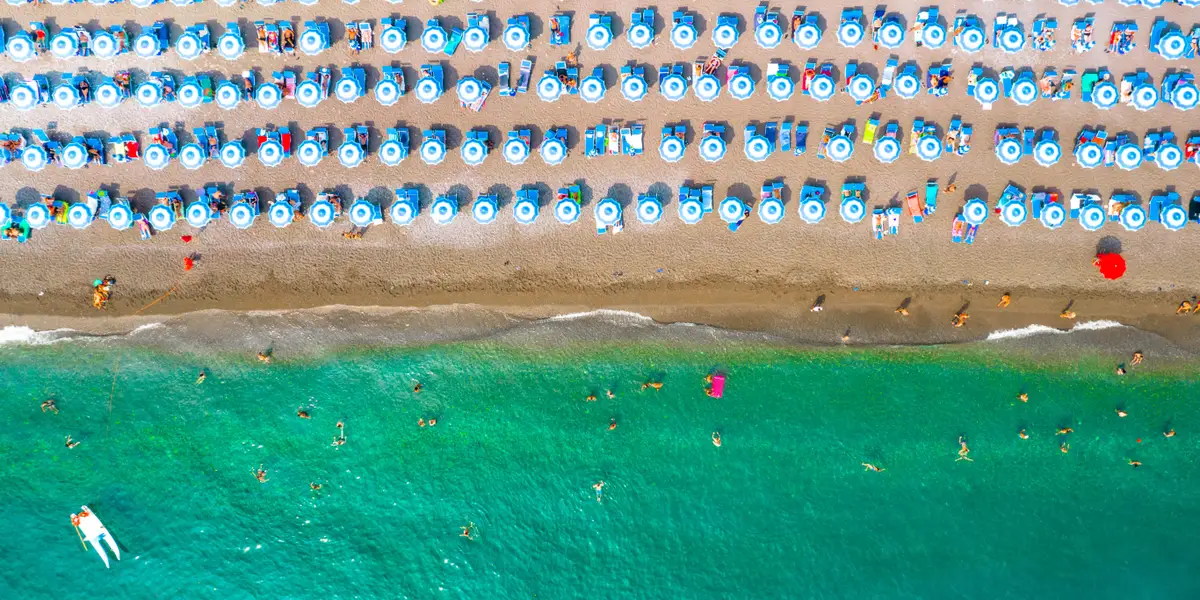
Overtourism is bringing overcrowding and higher prices to popular destinations around the world, and Fodor’s has named eight places facing its effects on an annual list. The travel guide’s “No List” for 2027 covers destinations from the Amalfi Coast to Kyoto.
Fodor’s said the list is not a call to stay away. “This is not a boycott,” the guide says. “We’re not telling you to cancel your trip, cross these destinations off your bucket list, or swear off their beaches, temples, and cobblestone streets forever. We’re asking you to think a little harder about how, when, and why you visit.”
The eight destinations
- Albanian Riviera: The Ionian Sea coastline is the country’s most popular destination for visitors and has shown signs of overtourism, with some towns facing crowded beaches and sewage problems. Elsewhere in Albania, protests have targeted luxury resort development, including proposals backed by Ivanka Trump and Jared Kushner.
- Amalfi Coast: In 2024, the town of Amalfi’s local government said it had nearly as many beds for tourists as for residents: 4,512 tourist beds compared with 4,653 resident beds. During the busy season, authorities restrict vehicle access to the main coastal road at peak hours, barring vehicles with odd-numbered plates on odd-numbered days and vice versa. Water, housing and medical care are also under strain.
- Bali: The Indonesian island attracted a record 6.9 million foreign visitors in 2025, a nearly 10% increase from a year prior, government data showed. Rice fields have given way to hotels, tourism produces large amounts of waste and puts pressure on freshwater supply, and local groups held demonstrations this summer calling for a moratorium on tourism development.
- Corsica: The French island, with a population of about 365,000, hosts nearly 3 million tourists annually, according to its tourism agency. Nearly 37% of its housing stock is second homes or occasional-use dwellings, according to government data. In 2023, a separatist group bombed over a dozen vacation homes.
- Edinburgh: The Scottish capital, with about 532,000 residents in 2024, recorded 5.05 million overnight tourism visits that year, according to government data. Officials added a 5% visitor tax on the first five nights of accommodation this summer to support infrastructure, services and housing.
- Kyoto: The city had an estimated 12.7 million international visitors in 2025, up about 17% from a year earlier, according to city data. Officials have banned visitors from some alleyways in the Gion geisha district after locals complained about tourists’ behavior.
- Ngorongoro: The Ngorongoro Conservation Area in Tanzania received more than 1.2 million visitors in 2024, a 42.8% increase over the previous year, according to Tanzanian government data. Human Rights Watch has said the government pressured the Indigenous Maasai to leave their ancestral lands; a 2024 report said a program aimed to relocate more than 82,000 people. Tanzania’s government has denied forced displacement and said there is a “voluntary relocation program” intended to address “environmental degradation as well as the livelihoods of the people.”
- Sedona: The Arizona city has fewer than 10,000 residents and hosts about 3 million visitors annually, according to its city government. More than 18% of its housing stock has become short-term rentals, making it difficult for the local workforce to find affordable housing.