EV Makers Won’t Bank on a Democratic Congress
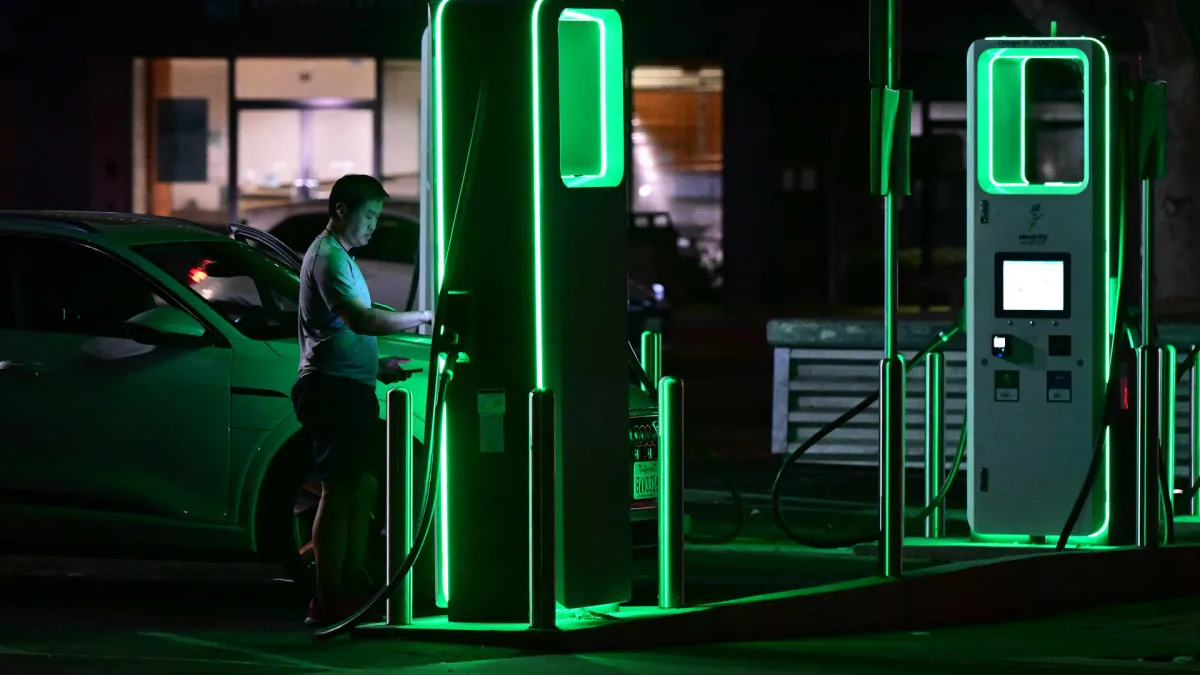
Leaders of Rivian, Lucid and Scout Motors told CNBC they are not counting on restored federal EV support once Democrats gain control of Congress in January — though they would take it if it came. The comments, made after Democrats’ midterm wins, land as the industry adjusts to the loss of an incentive of up to $7,500 for EV purchases.
CNBC reported that the Trump administration has ended or rolled back climate and EV support that the Biden administration backed, including that customer credit. Legacy automakers and startups alike had counted on such credits to lift sales and help EV profitability, CNBC noted; now, per the outlet, they don’t have the same level of federal assistance.
What the executives actually said
The clearest statement came from Scout CEO Scott Keogh, an automotive veteran, who told CNBC: “We’ve honestly constructed Scout from day one to be in an environment where we’re not going to count on, let’s say, legislation or count on things that may or may not be there.”
Rivian CEO RJ Scaringe framed it as a hope rather than a plan. CNBC reported he said it’s his hope that a Democratic-controlled Congress and Republican President Donald Trump can find middle ground for the EV industry, but that Rivian isn’t counting on it. “We try not to plan for those sort of things,” Scaringe said Nov. 6 following the election results. “The reality is it’s probably going to have less of an impact than we think.” He added: “I think we’re going to actually have a lot of challenges getting things done.”
CNBC described this as the overall sentiment from the CEOs of Rivian, Lucid and Scout Motors, and reported that they said they’ll gladly take increased federal support if it does happen. The Lucid portion of the CNBC item is truncated, so the specifics of what its CEO said aren’t available here.
Where the emphasis sits
Only one outlet covers this story in the supplied items, so there is no second account to weigh against CNBC’s. What stands out is the shape of the answers: none of the executives is quoted predicting restored credits, and the one concrete quote — Keogh’s — is about designing a business so legislation doesn’t matter. Scaringe’s most quotable line is a prediction that federal action will matter less than people expect, paired with an expectation of difficulty getting anything done.
CNBC’s framing of the backdrop is worth separating from the executives’ own words. The outlet reported that EV makers have had to contend with flip-flopping support from Washington over the years, and that the administration has ended or rolled back climate and EV support that the previous one backed. That is CNBC’s account of the policy environment; the executives’ quotes are about their own planning assumptions.
Why it matters
The gap between a Democratic Congress arriving in January and companies saying they won’t plan around it is the story. The incentive these manufacturers had relied on, per CNBC, is gone, and the executives are describing a posture of not waiting for it to return. Keogh’s line about building Scout so it doesn’t depend on legislation is the clearest expression of that, and Scaringe’s expectation of little impact suggests the industry may treat the midterm result as less consequential for EV demand than the headline political shift implies. Whether that restraint reflects conviction or caution is not something the executives say. What the CNBC interviews do show is that the industry’s public position, at least at these three companies, is to assume Washington stays unreliable — and to treat any restored support as upside rather than baseline.