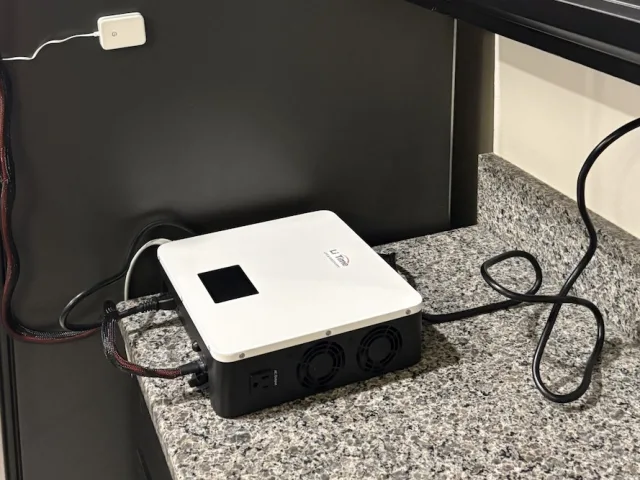
Jackery and Every Electric put a battery in apartment windows
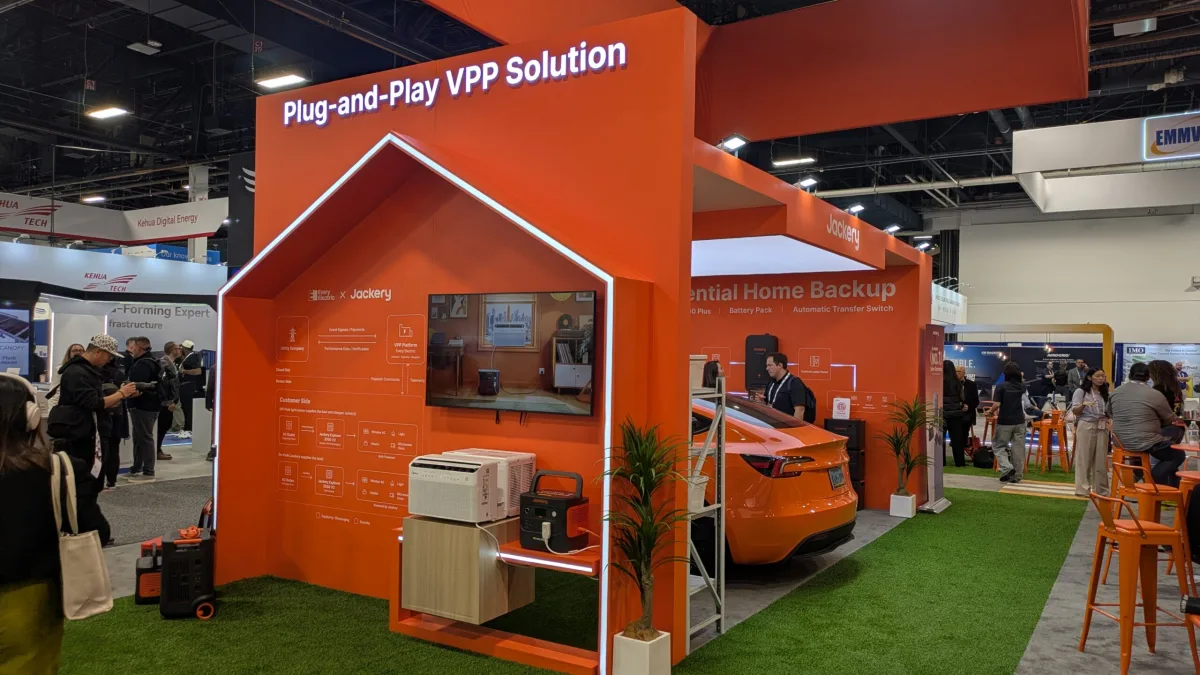
Customers in a new plug-in virtual power plant run by Jackery and Every Electric receive a battery, plug it into the wall and their window air conditioner, and connect it to Wi-Fi. They then use the air conditioner as they normally would, the VPP shaves demand peaks off the grid, and the customer gets paid. Writing for CleanTechnica, the author calls it likely the fastest, easiest and cheapest way to implement urban battery energy storage in the US — and says people living in apartments benefit.
The system is initially being deployed in New York City, where a large number of apartments can be aggregated into a meaningful amount of combined storage. Every Electric is already looking to expand into the Boston area, and the author notes several other urban areas where the window-air-conditioner system could apply, particularly along the Northeast corridor.
The author stresses that much of what follows is not available yet, and that the plug-in VPP simply sparked his imagination about what might be possible.
Looking beyond New York
In Jackery’s home state of California, 4.5 TWh of solar and wind power was curtailed in the first half of 2026, the author writes — more electricity wasted in six months in one state than many developing countries consume in an entire year. Even with recent storage installations, the Duck Curve is still deepening, and home batteries that help “decapitate the duck” could benefit customers and the utility alike.
Each Jackery battery can also work as a solar generator with a DC input: people can plug in a solar panel or two to recharge it, with no additional inverter needed. Because it does not send energy back into the grid, it avoids the cost and complication of traditional grid-tied systems, and solar sent straight to the battery would not add to grid overcapacity. As the US is still working out balcony solar regulations, the author says, this would let people enjoy many of the benefits of small-scale, plug-and-play solar now, with no electricians needed. Jackery also has solutions such as the SolarVault3, which the author saw at IFA Berlin, that could later integrate with point-of-use storage in a hybrid plug-in system.
The author sees potential outside the US too: in many parts of the world most people live in apartments, and global cooling needs recently overtook heating for the first time. Because the VPP is monitored over Wi-Fi, no smart meter upgrade is needed, and because the storage is already distributed, there is less need for grid upgrades to move energy to where peak demand is.
Evolving potential
For now the plug-in VPP works with one model of battery in one application, which makes deployment and scaling easier, and large urban areas offer the clearest path to aggregating the needed storage. But Jackery has sold over 8 million units in the past 15 years, the author notes, building customer trust and a reputation for reliability — potentially GWh of deployable storage, since many of those portable power stations and solar generators can connect to Wi-Fi. Many Jackery models are selling out, with preparedness a major driver as climate-related disasters amplify fear and uncertainty.
The author says the batteries people buy for emergencies offer far greater potential capability, and that as the software develops, multiple batteries could connect to amplify value, even though that capability is not being offered yet. As people start earning money, even if they bought the battery out of preparedness concerns, they would begin to see the broader benefit — a shift in mindset that the author says is easier to achieve by starting with the benefit than with a rational argument involving added costs.
Putting it together
Many of the pieces already exist: people can program Jackery batteries through the app to charge and discharge at certain times of day, which can work with time-of-use utility plans where available. But the author says that does not take full advantage of a VPP’s capabilities, and customers do not get full credit for the storage. The true innovation, in his view, comes from combining the Jackery hardware, the Every Electric software and the utility — if any one piece were missing, a plug-in VPP would not have the same potential.
The author says Jackery has impressed him with its focus on solving customer problems, and that the company recognizes collaboration is often necessary to create solutions — something he also saw with SunBooster’s flexible solar panels for balcony solar applications at IFA Berlin.