Van Hollen challenges Schumer as new Senate Democrats weigh in
The first fight over the future of the Democratic Party will come next month, when Senate Democrats choose their leader for when they are in the majority next year, NBC News reports.
Sen. Chris Van Hollen, D-Md., announced last night that he is challenging Sen. Chuck Schumer, D-N.Y., who has led the Democratic caucus in the chamber for a decade. All eyes will be on the 13 newly elected Democrats joining the Senate. Many of the incoming freshmen have been calling for change, but Schumer’s role in recruiting some of them and helping them win their races also looms large. Schumer’s supporters have likened ousting him to firing a baseball manager who just won the World Series.
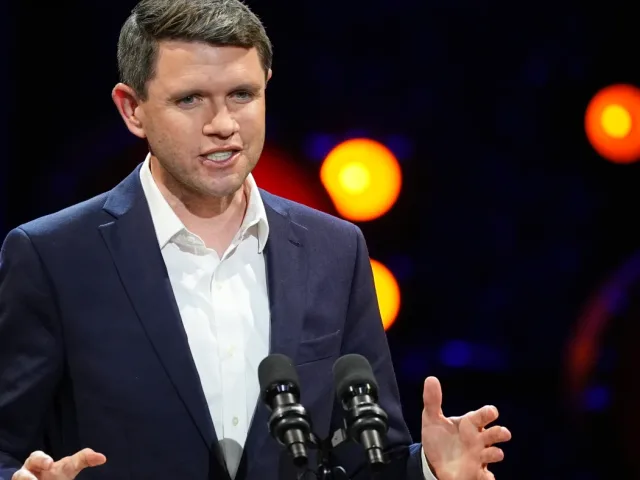
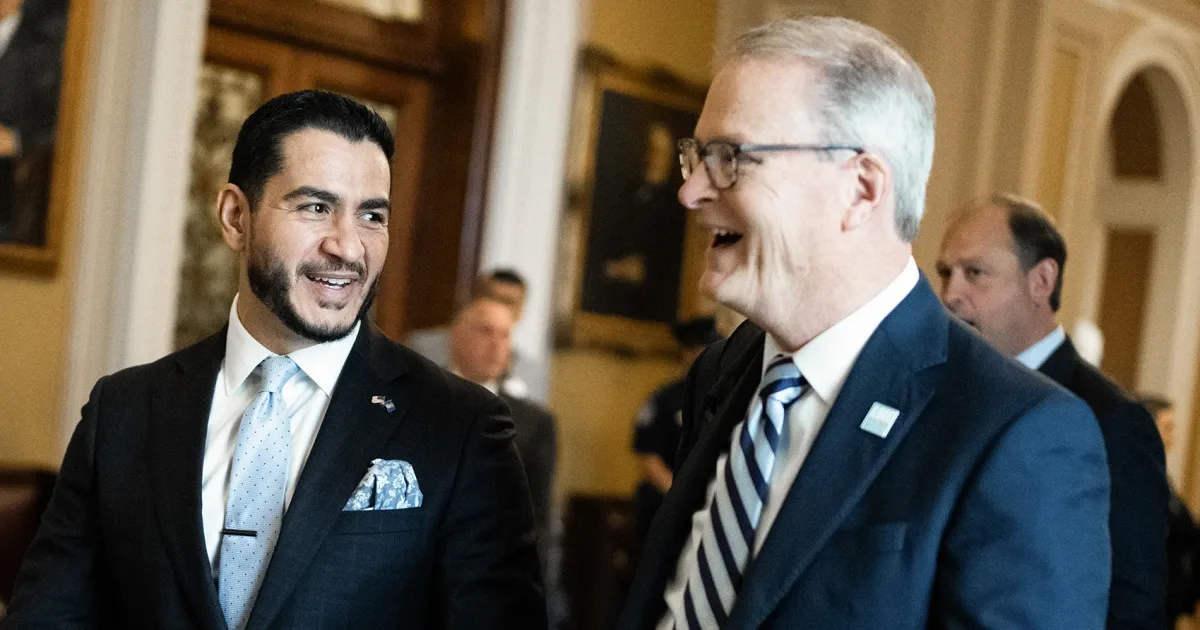
Two newly elected Democrats — Abdul El-Sayed of Michigan and Peggy Flanagan of Minnesota — have already said they will support Van Hollen for majority leader. Four others — Maine’s Troy Jackson, South Carolina’s Annie Andrews, Illinois’ Juliana Stratton and Kansas’ Adam Hamilton — have publicly said they would oppose Schumer.
“What I’d be looking for is a leader who can lead from the center, somebody who can bring Republicans and Democrats together, somebody who can bring the various factions in Democratic Party together, somebody with fresh ideas,” Hamilton told Kristen Welker on “Meet the Press” on Sunday. “So again, no disrespect for Chuck Schumer. Just, it feels like there’s time for — it is a time for fresh and new ideas and somebody who can unite us instead of dividing us.”
Just one incoming Democratic senator has said he will back Schumer: Ohio’s Sherrod Brown, who served three terms in the chamber before losing in 2024. Brown told NBC affiliate WCMH of Columbus that he was supporting Schumer “because I think he knows how to govern.”
“He’s controversial, people think he hasn’t fought hard enough. But that’s up to people like me to make sure he does,” said Brown, whom Schumer encouraged to run.
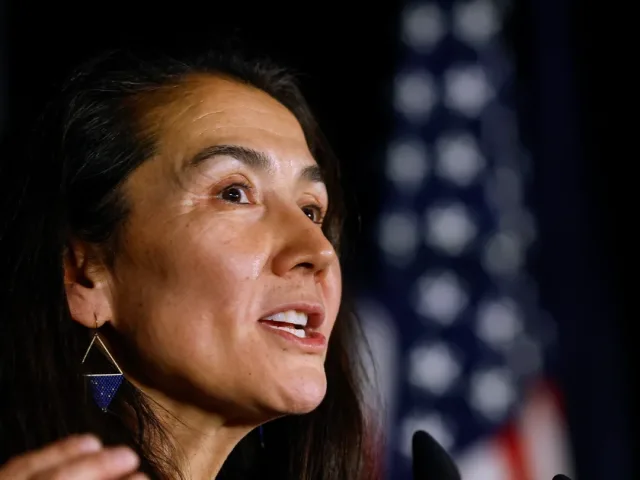
Another candidate Schumer heavily recruited, former Gov. Roy Cooper of North Carolina, told CNN earlier this year that he has “made no commitments” about whom he would support as leader. Schumer also recruited former Rep. Mary Peltola, who is locked in a close race in Alaska that is too early to call, and it is not clear how she would vote if she wins. The other newly elected Democrats have been noncommittal.
Iowa’s Josh Turek told Welker late last year that “the party needs change” and he would press candidates for leader on what they could do for his state. Texas’ James Talarico told CBS News after winning his race that he wants to meet with every leadership candidate. And New Hampshire’s Chris Pappas told CNN earlier this year that “it’s time for new voices” and he would wait to see who is running.
The latest Democrat to flip a Senate seat — Mississippi’s Scott Colom — has expressed concerns about Schumer and Rep. Hakeem Jeffries, the likely next speaker of the House, both hailing from the same New York City borough. But he told MS NOW this morning that he is “not a no” on Schumer and he wants the next leader to prioritize the Deep South and “actually fight for rural America.”
Ultimately, Schumer will need to secure majority support from the Senate Democratic caucus. After Van Hollen joined the race, Schumer expressed confidence, saying on X, “I have the votes to continue serving as Democratic Leader.”
In a second analysis, Natasha Korecki writes that last week’s Democratic midterm sweep was so broad that it is already recasting conventional thinking about who can forge a winning path to the White House in 2028 — blowing the doors off what was already expected to be a wide-open presidential race.
Moderates won, but so did progressives. Women scored victories in deep-red, statewide races. Candidates who didn’t have the most money won. Democrats won in the South and in rural states and districts. They scored big gains among young men and noncollege white voters, and showed they could win back Hispanic voters. That has scrambled the thinking for an upcoming 2028 primary, potentially opening more paths to the Electoral College than Democrats have had or considered in years.
“It’s going to be the craziest, most wide-open primary,” said Brian Stryker, a longtime Democratic pollster. “I wouldn’t bet on anyone against the field. I wouldn’t say anyone has more than a 50% chance. I don’t know if anyone has more than a 20% chance.”