After the AI rout, markets start pricing the midterm result
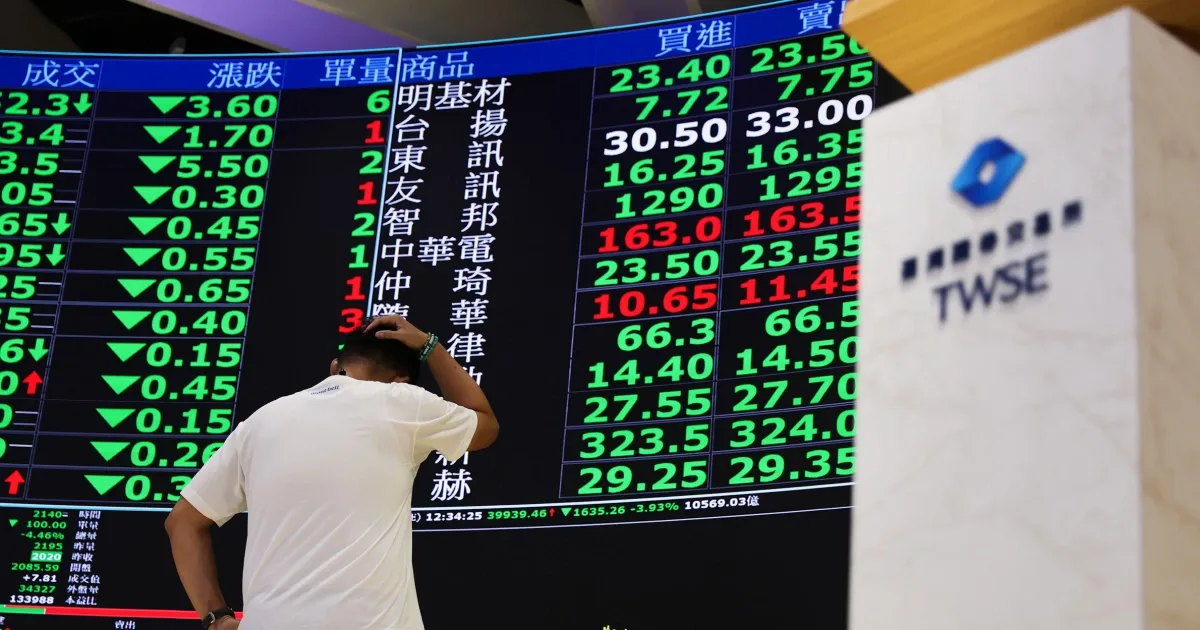
US tech stocks steadied on Friday after one of their worst single-day falls in years, with the Nasdaq 100 closing up 1.1% following a 6.3% plunge on Thursday. NBC News reported that the broader S&P 500 fell 4.4% on Thursday, a drop it said wiped out $2.8 trillion worth of wealth on paper, before finishing 0.3% higher on Friday.
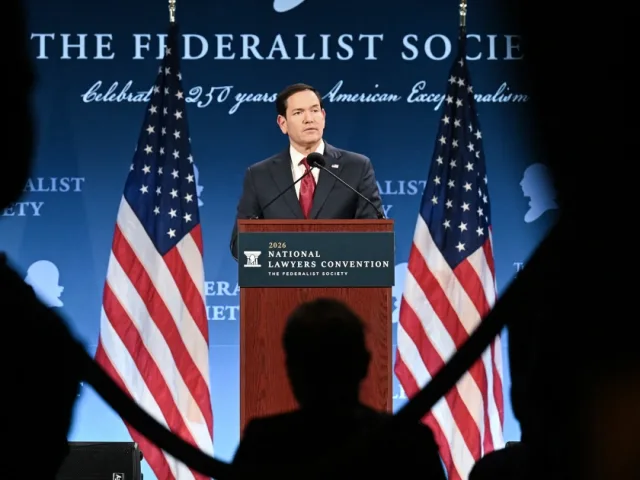
The outlet tied the sell-off directly to the midterm elections. NBC News reported that investors were weighing “the prospect of an AI investment slowdown resulting from Democratic midterm victories” against the sector’s longer-term growth potential, and noted that a crop of Democratic candidates elected this week had pledged to rein in AI and data centers — among them Texas Gov.-elect Gina Hinojosa, whose state NBC News described as one of the largest data center markets in the country. The outlet reported that Hinojosa has called for a pause in new data center developments.
The mechanism investors are watching
The most useful line in NBC’s reporting is the one that explains why an election result moves a stock index at all. “Markets are being punished according to their dependence on the U.S. AI infrastructure cycle,” Charu Chanana, chief investment strategist at SAXO Markets, told the outlet. That suggests Thursday’s move was not a uniform tech sell-off but a re-rating of companies by how much of their value rests on data center and AI infrastructure spending.
NBC News also flagged a second channel: the incoming Democratic-controlled Congress “could also tighten scrutiny of the AI industry, including its infrastructure projects, which could cause delays and additional costs.” That is a forward-looking claim about legislative intent, framed in the conditional, and it sits alongside the outlet’s note that investors already had worries about the long-term profitability of these investments.
The outlet was careful to record the counter-view. Some analysts, NBC News reported, saw Thursday’s dramatic sell-off as overblown — “merely a sign of some froth coming off an overstretched market” rather than the end of the AI trade. Both readings are in the same item, and the outlet does not adjudicate between them.
A rates complication
The recovery was not clean. NBC News reported that a strong October jobs report on Friday morning increased the odds the Federal Reserve will raise interest rates at its December meeting, and that the prospect of higher borrowing costs pushed stocks down from their earlier highs. So the same session contained two separate pressures on tech valuations — election-driven policy risk and monetary policy — and the index still closed higher.
One outlet’s reporting is not a consensus, and it is worth being explicit about what is missing here: we have NBC News’s account of investor sentiment and analyst commentary, not a broader survey of how other financial outlets framed the same two days of trading. The numbers themselves — the 6.3% and 4.4% falls, the $2.8 trillion figure, Friday’s modest gains — are the outlet’s.
Why it matters
The pattern here is that the AI trade has acquired a political variable it did not previously carry in public market pricing. For most of this cycle, the question for investors was demand; NBC News’s reporting suggests the question now includes whether elected officials will permit the infrastructure that demand depends on. That is a different kind of risk, because it cannot be resolved by an earnings report. The fact that markets recovered the next day, and that some analysts called the fall froth, indicates investors have not settled on an answer — only that they have started asking the question.